


Certiva News & Education
Practical, compliant guides on quality, testing, and logistics — written to help you evaluate research peptides, supplements, and skincare actives.
Explore by topic
Six connected guide libraries make it easier to find a direct answer and follow the subject from basics to buying decisions.
GLP-1 & Weight-Management Research
Plain-English GLP-1 and weight-management research guides covering semaglutide, tirzepatide, retatrutide, cagrilintide, trial results and comparisons.
Explore this topic → 35 guidesPeptide Sourcing, Bulk & Supply
Evaluate peptide suppliers, manufacturers, bulk orders, MOQ, OEM, private label, packaging, lead time, landed cost and batch documents.
Explore this topic → 9 guidesPeptide Quality Testing & COAs
Learn how peptide COAs, HPLC, mass spectrometry, specifications, batch traceability, purity, sterility and third-party testing work.
Explore this topic → 4 guidesPeptide Storage & Shipping
Plain-English peptide storage and shipping guides covering lyophilized powder, shelf life, cold chain, temperature excursions and receiving checks.
Explore this topic → 6 guidesCosmetic Peptides for Skin & Hair
Explore copper peptides, Matrixyl, SNAP-8, skin boosters and peptide skincare in simple guides for consumers, formulators and private-label brands.
Explore this topic → 6 guidesPeptide Basics & Calculations
Understand what peptides are, how they are made, why structure matters and how laboratory concentration calculations work in plain English.
Explore this topic →Latest articles
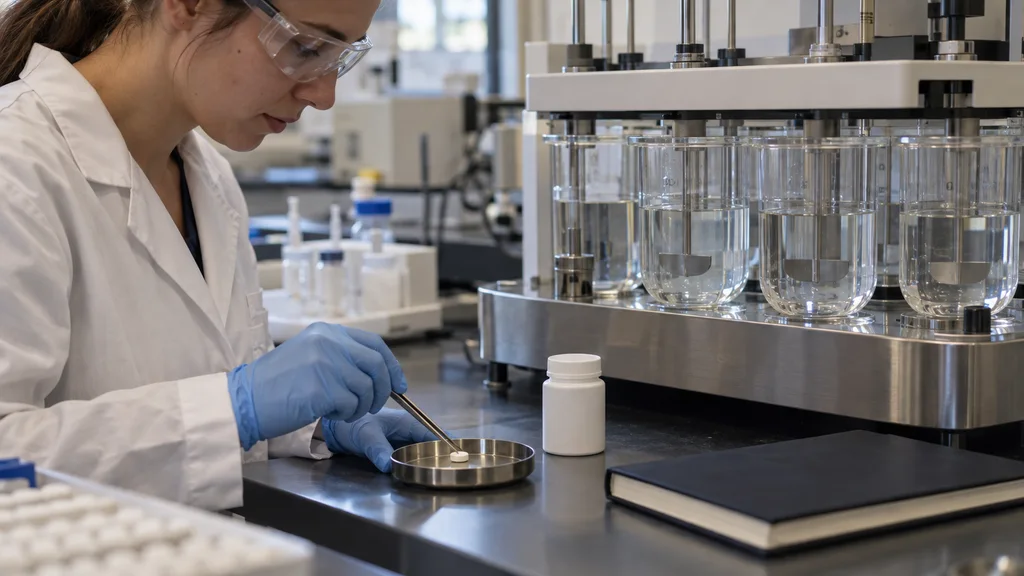
GZC8072 2026: Once-Weekly Oral Peptide GLP-1
GZC8072 is an investigational once-weekly oral peptide GLP-1 now in Phase 1. Learn what it is, how oral delivery works and what buyers should verify.
Sep 27, 2026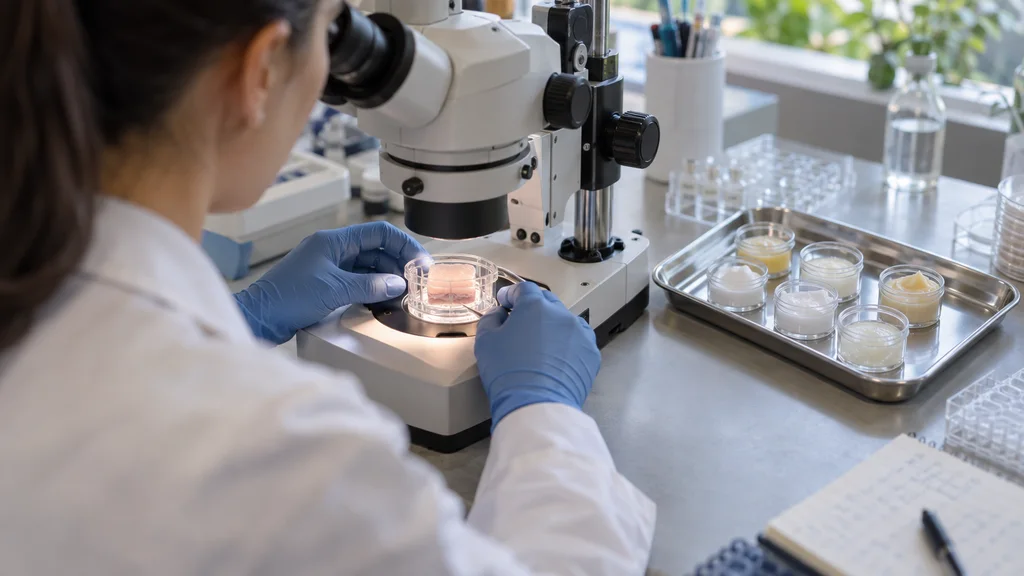
Peptides for Wound Healing and Scars: 2026 Evidence
Peptides may support wound healing and scar research. See where 2026 evidence is strongest and what consumers, OEM brands and peptide buyers should know.
Sep 27, 2026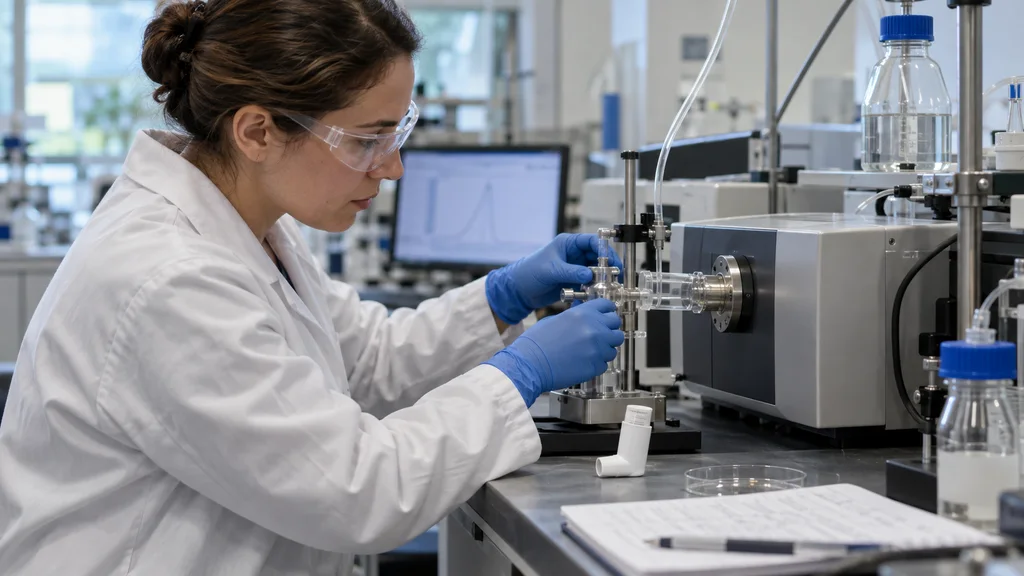
ROSE-010 2026: Can a GLP-1 Be Inhaled?
ROSE-010 is an investigational rapid-acting GLP-1 being developed as a dry-powder inhaler. Learn what the 2026 deal means and what is known.
Sep 27, 2026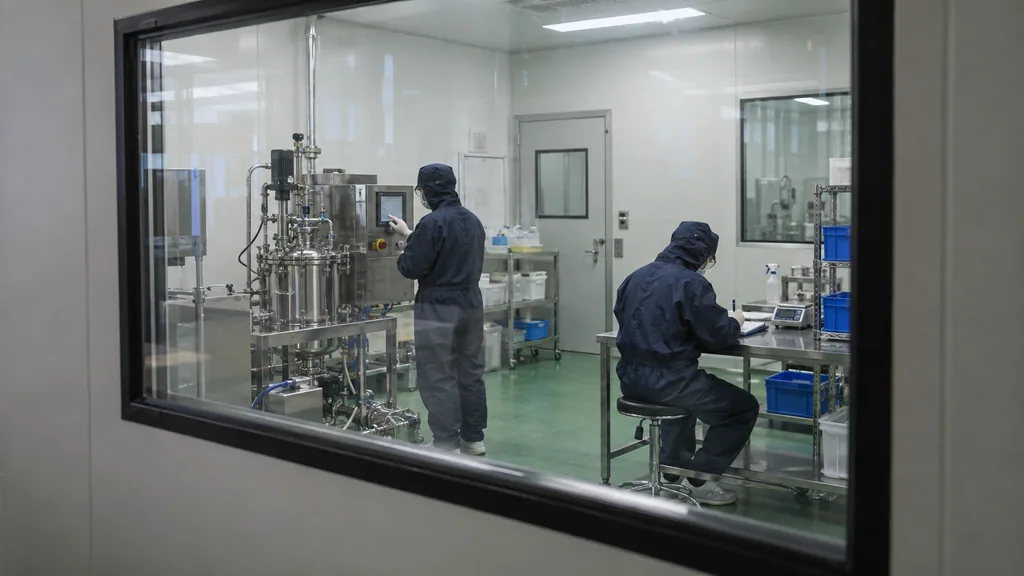
GLP-1 Peptide Manufacturing in 2026: Why Scale-Up Is Hard
GLP-1 peptide manufacturing gets harder at scale because synthesis, purification, isolation and testing must all work together. See what buyers should verify.
Sep 8, 2026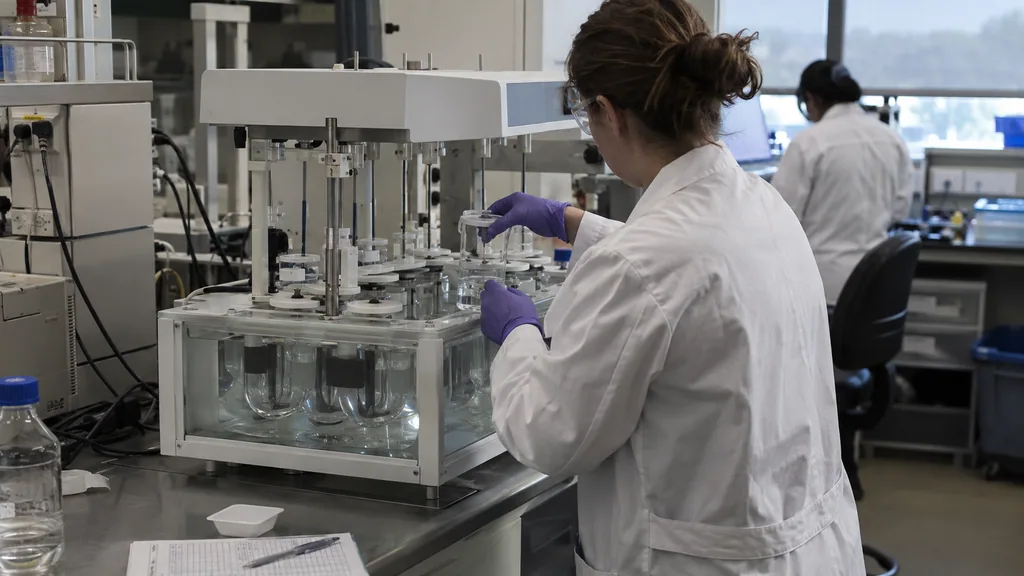
Oral Peptide Delivery in 2026: Why a Peptide Pill Is Hard
Oral peptide delivery must protect the peptide, help it cross the gut and keep exposure consistent. Learn what works, what fails and what buyers should verify.
Sep 8, 2026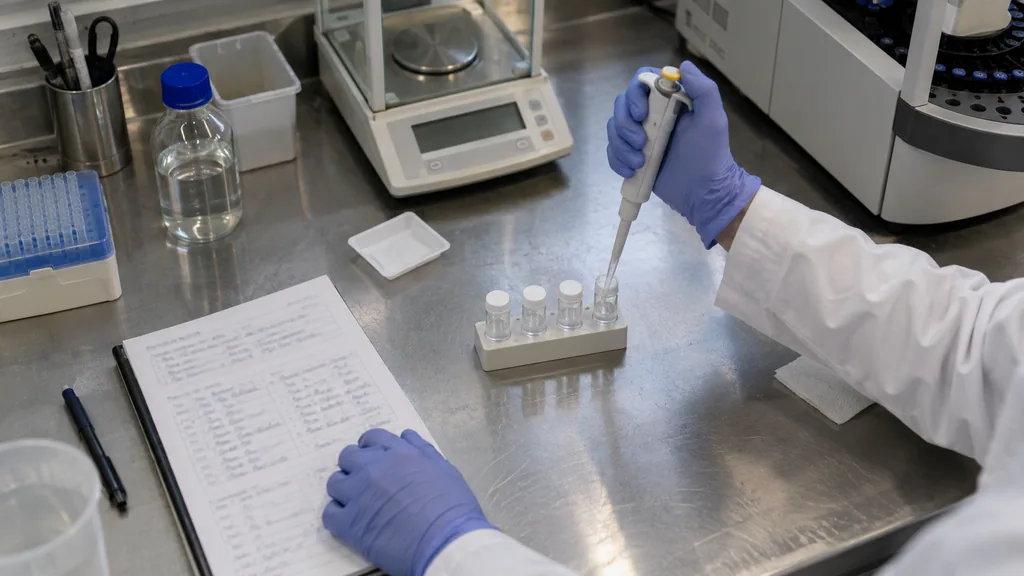
Peptide Blend Manufacturing: Ratio, Stability and Testing Guide
Peptide blend manufacturing controls each raw peptide, the ratio, compatibility, uniformity and finished-batch testing. See what OEM buyers should verify.
Sep 8, 2026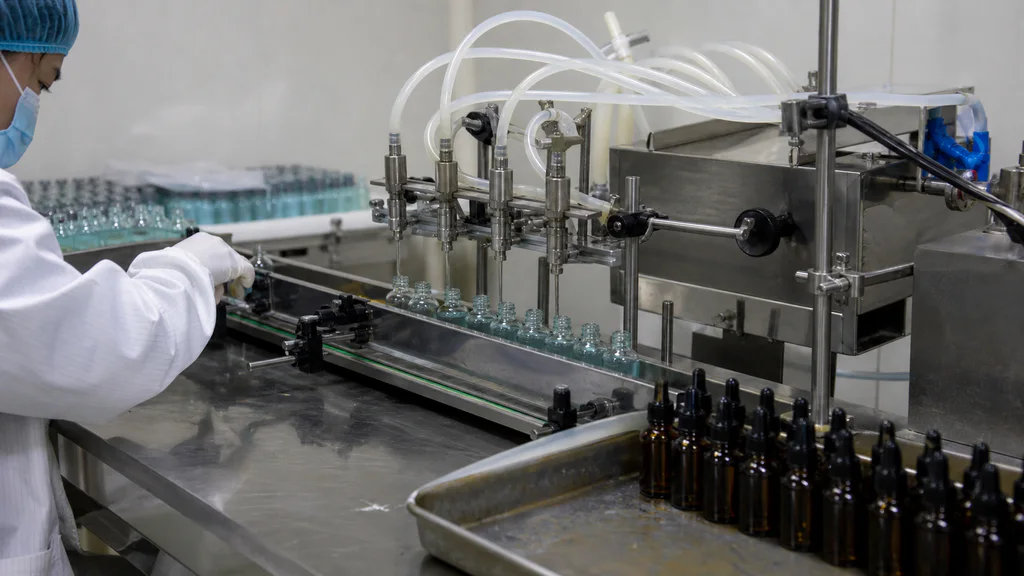
GHK-Cu Topical vs Injectable: A Copper Peptide OEM Guide
Topical GHK-Cu belongs in cosmetic formulation; injectable GHK-Cu is a different, unapproved use. Here is how buyers vet a copper peptide OEM.
Aug 17, 2026
Copper Peptides for Eyebrows: What the 2026 Trial Found
A small 2026 trial found 2% topical GHK-Cu improved eyebrow hair count and thickness after 12 weeks. Here is what shoppers and beauty brands should know.
Aug 17, 2026
Does Semaglutide Reduce Alcohol Cravings? 2026 Trial
Yes. A small 2026 trial found oral semaglutide reduced heavy drinking days, drinks per drinking day and daily-life cravings, but more research is needed.
Aug 17, 2026
Peptide CDMO Capacity 2026: Online vs Commissioning vs Planned
Peptide CDMO capacity is not one number. Buyers must separate online, commissioning and planned facilities, then verify each slot, scope, test and release path.
Aug 17, 2026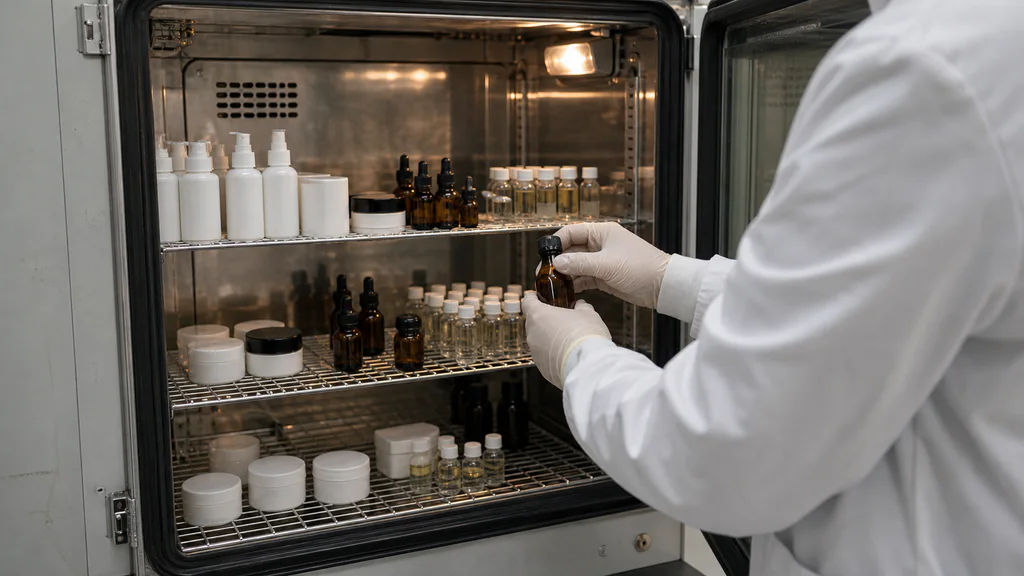
Peptide OEM Stability Testing: What Brands Need Before Scale-Up
Peptide OEM stability testing should check the real formula, package and quality targets over agreed conditions before a brand approves scale-up or shelf life.
Aug 17, 2026
Survodutide Phase 3 Results: 13% Weight Loss in 2026
Survodutide produced 13.0% average weight loss at 76 weeks in a 2026 Phase 3 trial. See the results, side effects and how the dual agonist works.
Aug 17, 2026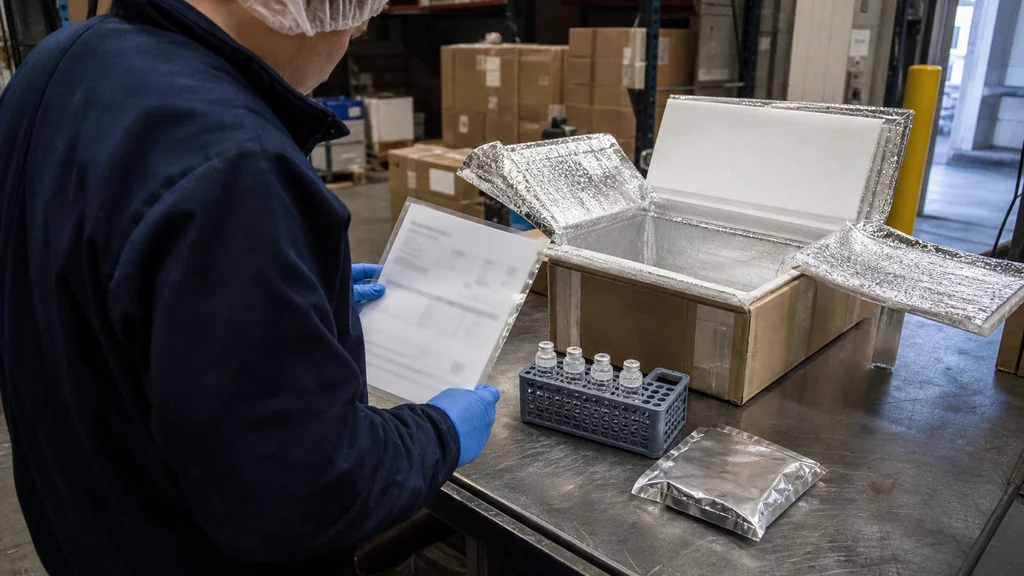
Amylin Peptide Supplier: 2026 Bulk Buyer Guide
Choose an amylin peptide supplier by exact analogue, specification, COA, identity testing, packaging, batch availability, and repeat-supply plan.
Aug 12, 2026
Does GLP-1 Make You Exercise More? What 2026 Data Found
No clear evidence shows that GLP-1 treatment makes people exercise more. A 2026 review found mostly unchanged activity and a possible small drop in daily movement.
Aug 12, 2026
Is an Oral GLP-1 a Peptide? The 2026 Answer
Some oral GLP-1 medicines are peptides and others are not. Oral semaglutide is a peptide; orforglipron, aleniglipron, and elecoglipron are small molecules.
Aug 12, 2026
Bulk GLP-1 Peptide Supplier: 2026 Buyer Guide
Choose a bulk GLP-1 peptide supplier by molecule, capacity, COA, packaging, lead time, and repeat-order plan. Use this practical 2026 checklist.
Aug 9, 2026
Peptide OEM Manufacturer Checklist for Brands
Use this peptide OEM manufacturer checklist to approve the specification, testing, packaging, artwork, MOQ, lead time, change control, and quote.
Aug 9, 2026
Peptide Supplier Origin: Manufacturer or Relabeler?
Verify peptide supplier origin by mapping who manufactures, tests, fills, labels, stores, and ships each batch before approving a bulk order.
Aug 9, 2026
Berobenatide 2026: Monthly GLP-1 Phase 2b Results
Berobenatide is an investigational monthly GLP-1 peptide. Phase 2b monthly maintenance produced up to 12.3% placebo-adjusted weight loss at week 28.
Aug 8, 2026
CagriSema 2026: 14.2% Weight Loss in REIMAGINE 2
CagriSema produced 14.2% average weight loss at 68 weeks versus 10.2% with semaglutide in REIMAGINE 2 among adults with type 2 diabetes. See the data.
Aug 8, 2026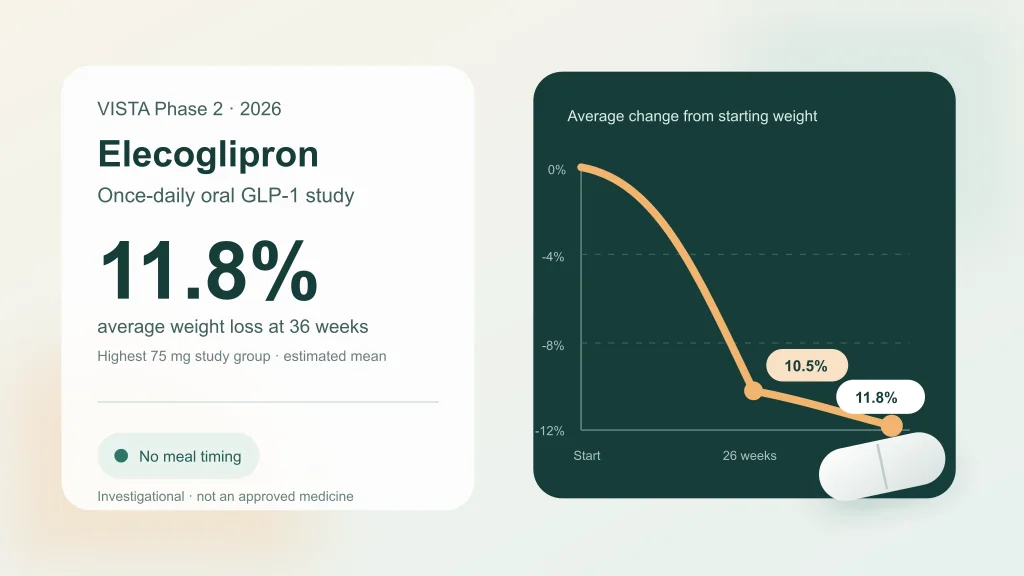
Elecoglipron 2026: 11.8% Weight Loss in 36 Weeks
Elecoglipron produced up to 11.8% average weight loss at 36 weeks in Phase 2. It is a once-daily oral small-molecule GLP-1, not a peptide. See the VISTA data.
Aug 8, 2026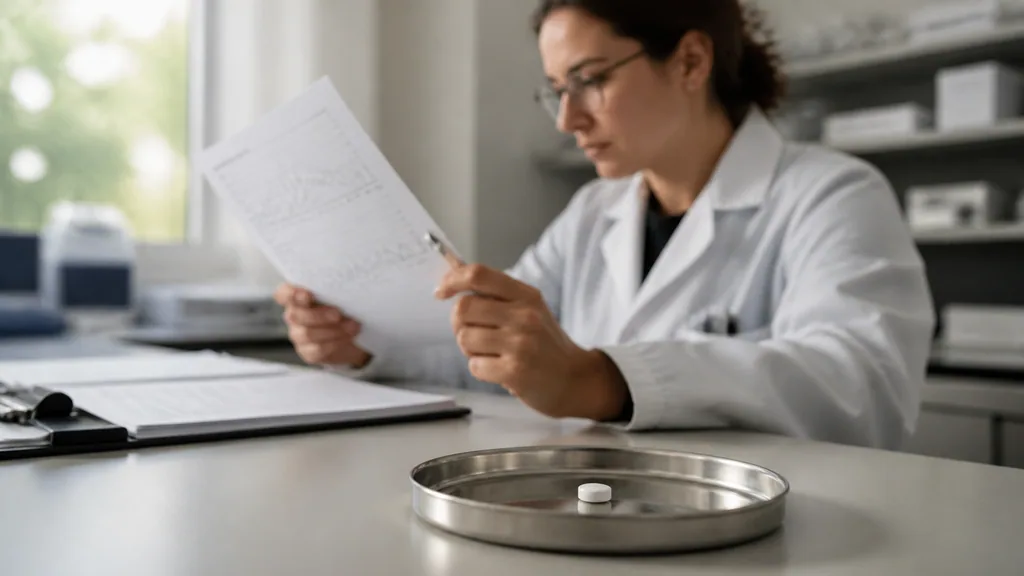
Aleniglipron 2026: Up to 11.3% Weight Loss in 36 Weeks
Aleniglipron produced up to 11.3% placebo-adjusted weight loss at 36 weeks in Phase 2b. See how this oral GLP-1 pill differs from peptide drugs.
Aug 6, 2026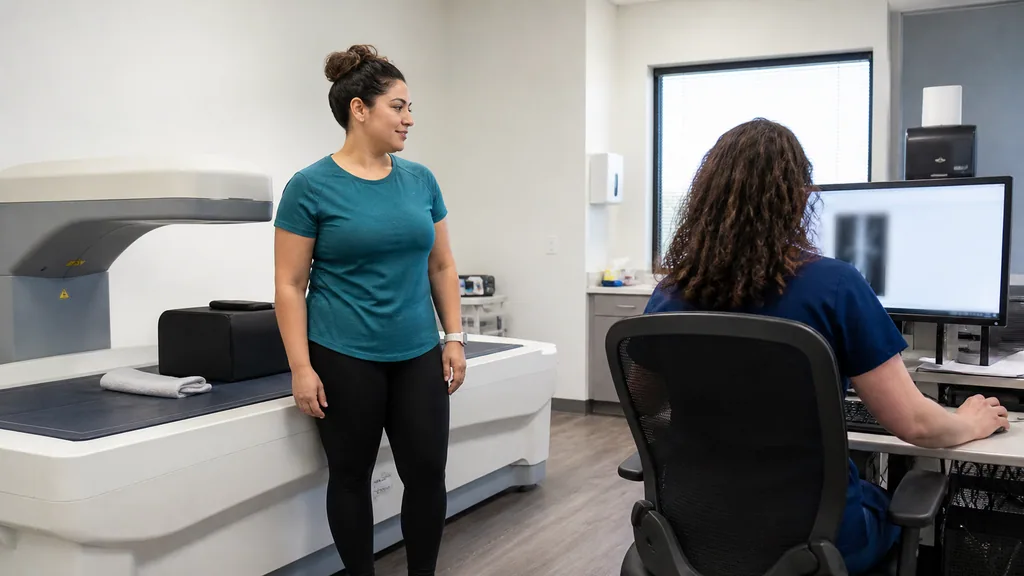
GLP-1 Muscle Loss: What the 2026 Apitegromab Trial Found
A 2026 Phase 2 trial found 1.9 kg less lean-mass loss with apitegromab plus tirzepatide, a 54.9% relative retention result, with similar weight loss.
Aug 6, 2026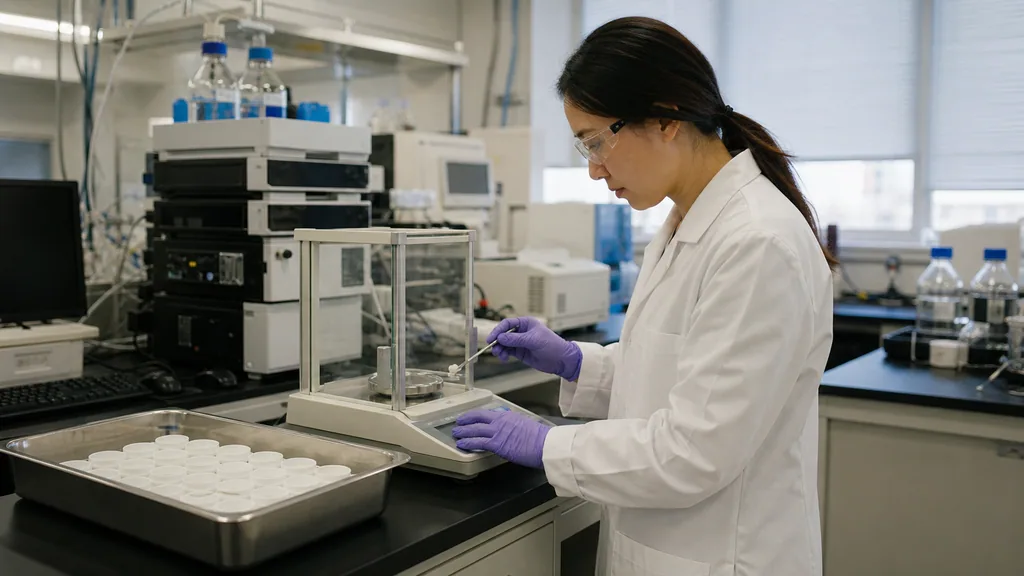
Oral Ribupatide 2026: 11.9% Weight Loss in 26 Weeks
Oral ribupatide produced up to 11.9% average weight loss at 26 weeks in Phase 2. Learn how the dual GLP-1/GIP peptide works and what comes next.
Aug 6, 2026
BI 3034701: Phase 2 GLP-1/GIP/NPY2 Triple Agonist
BI 3034701 is a recruiting Phase 2 GLP-1, GIP and NPY2 triple agonist. Review the trial design, mechanism and evidence available so far.
Aug 5, 2026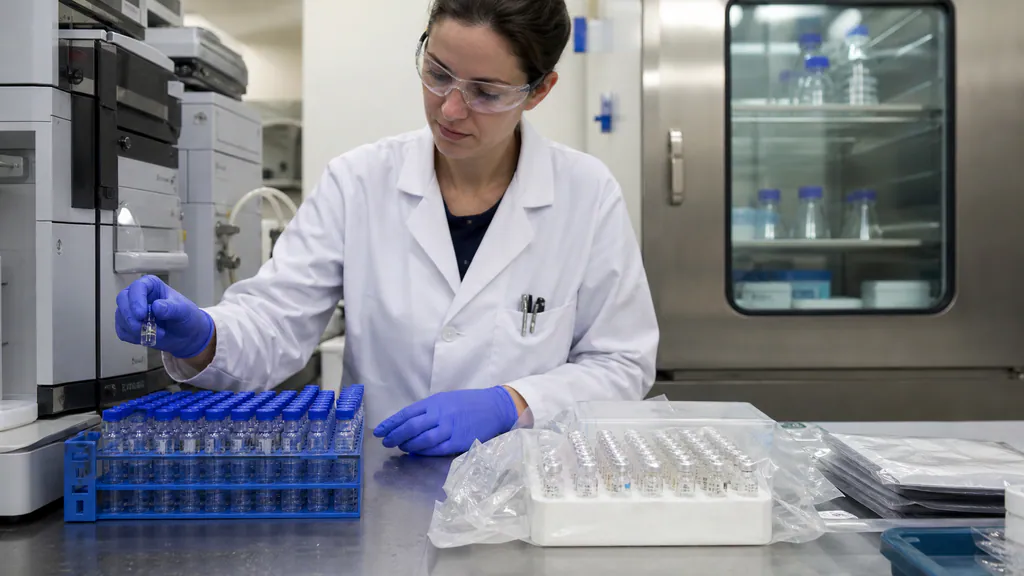
Peptide Purity vs Sterility vs Endotoxin: 99% Isn't Enough
A 99% HPLC result does not prove identity, content, sterility or low endotoxin. Learn which peptide test answers each question and how to scope a COA.
Aug 5, 2026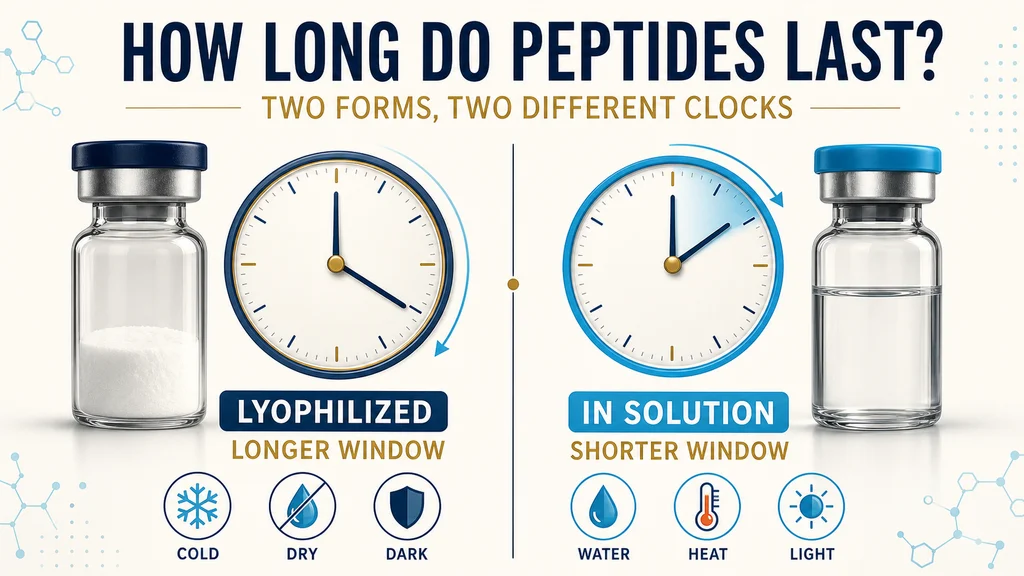
How Long Do Peptides Last? Two Forms, Two Clocks
Lyophilized peptides can remain stable for months or years when kept cold, dry and dark, while peptides in solution have a much shorter shelf life.
Aug 5, 2026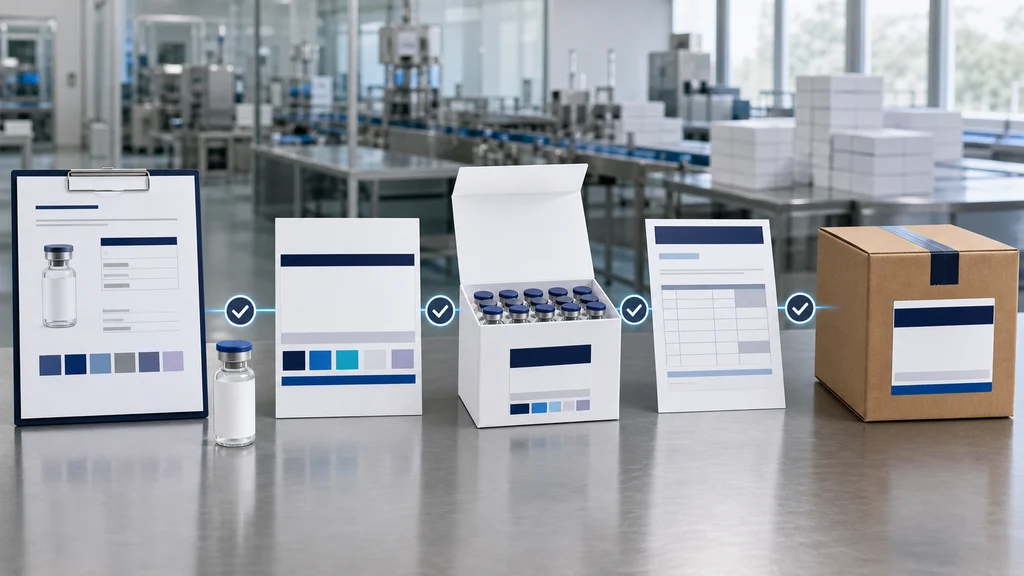
Private-Label Peptide Launch Checklist for Brands
A private-label peptide launch needs an approved product, label, packaging, document set, production plan and market-ready sales process. Use this checklist.
Aug 5, 2026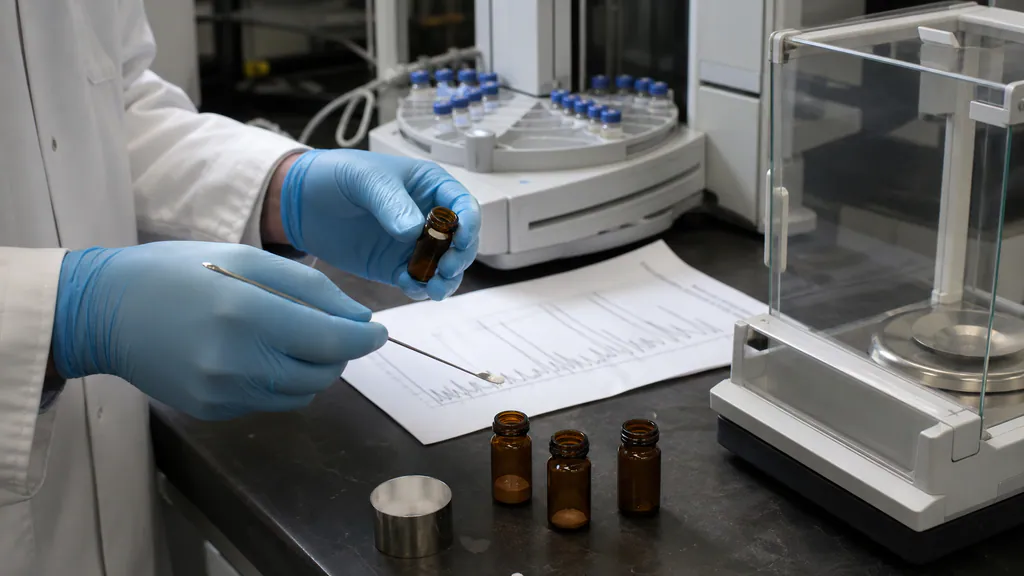
Semaglutide Base vs Sodium and Acetate: FDA Warning
Semaglutide sodium and acetate are not the active ingredient in approved drugs. Learn FDA's position, chemistry distinctions and COA checks.
Aug 5, 2026
UBT251 2026 Results: 19.7% Weight Loss in 24 Weeks
UBT251 is a GLP-1, GIP and glucagon triple agonist that produced up to 19.7% average weight loss in 24 weeks. See why researchers are watching.
Aug 5, 2026
MariTide 2026: Monthly GLP-1 Results & Phase 3
MariTide is Amgen’s once-monthly GLP-1 and GIP-blocking conjugate. Phase 2 participants averaged up to about 20% weight loss at 52 weeks; Phase 3 is underway.
Aug 5, 2026
What Is Zenagamtide? Results and Phase 3 Status
Zenagamtide, formerly amycretin, is a single GLP-1/amylin peptide. Review its Phase 2 results and registered Phase 3 program as of August 2026.
Aug 5, 2026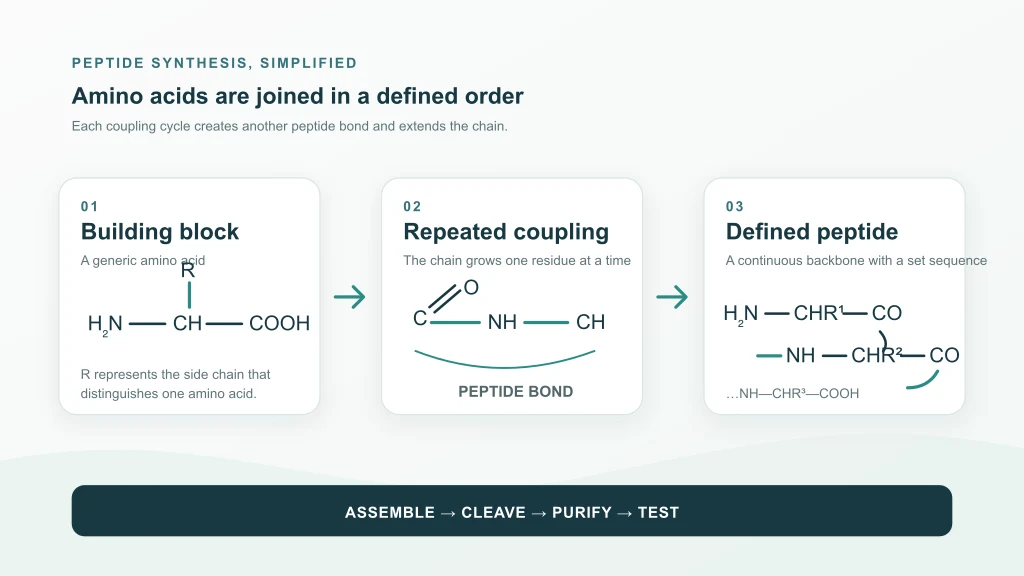
How Are Peptides Made? Inside the Manufacturing Process
See how peptides are made, from amino-acid sequence design and solid-phase synthesis to purification, lyophilization, analytical testing, and batch release.
Aug 2, 2026
Peptide Batch Traceability: Match the COA to the Lot
Peptide batch traceability connects a lot number to production, testing, packaging and delivery records. Learn how to verify a batch report and COA.
Aug 2, 2026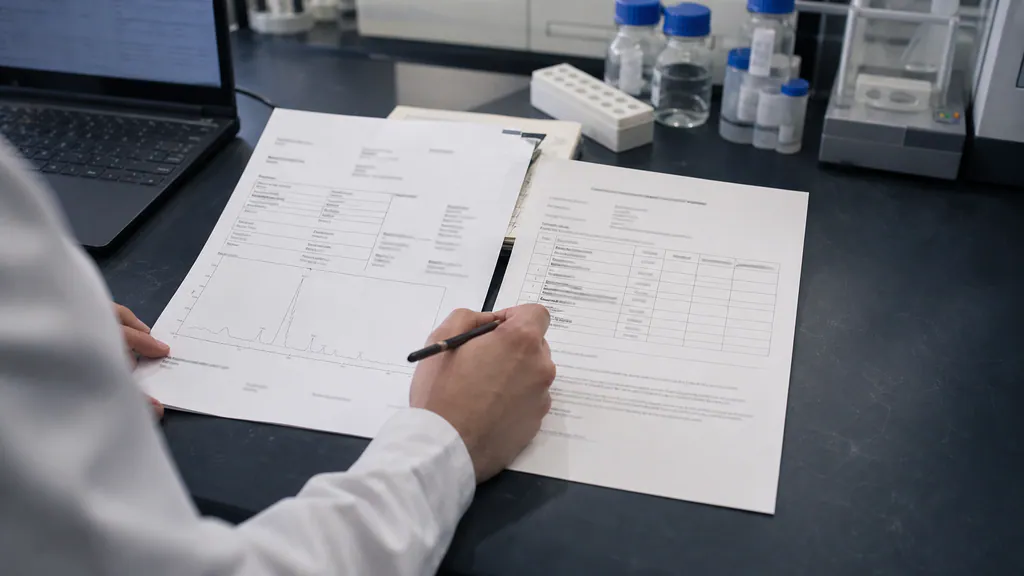
Peptide COA vs Specification Sheet: How to Match Them
A peptide specification defines acceptable results; a batch-specific COA reports what one lot achieved. Learn how to reconcile them line by line.
Aug 2, 2026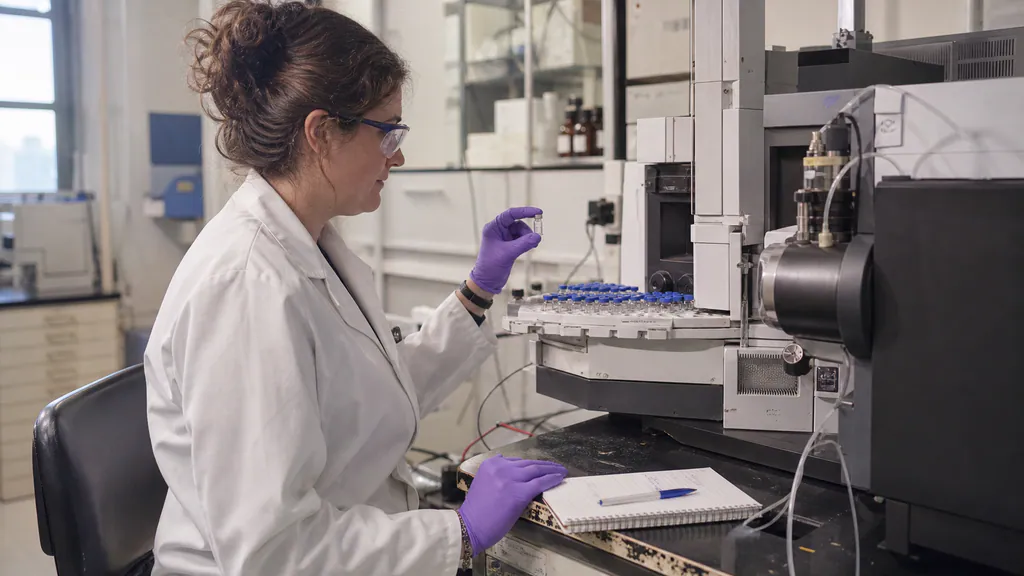
Peptide Quality Testing: The Complete Buyer's Guide
A complete guide to peptide quality testing: identity, HPLC purity, assay, water, residual solvents, sterility, endotoxin, stability, COAs and supplier review.
Jul 30, 2026
Peptide Sourcing: The Complete Supplier Qualification Guide
A B2B peptide sourcing guide covering specifications, supplier qualification, COAs, samples, audits, RFQs, landed cost, OEM packaging and repeat orders.
Jul 30, 2026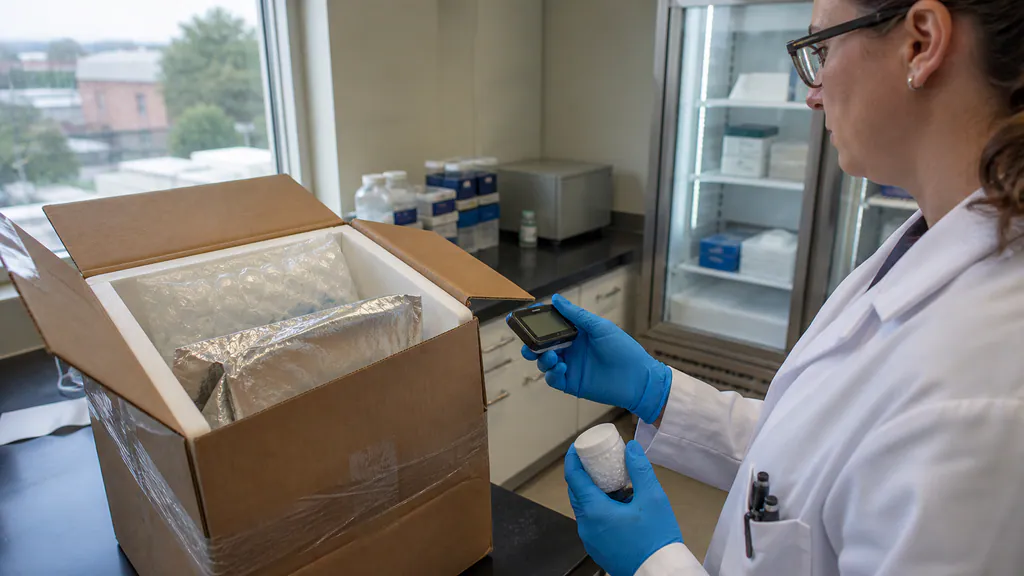
Peptide Storage, Shipping & Stability: Complete Guide
Research peptide storage and shipping guide covering lyophilized material, cold chain, packaging, temperature excursions, stability and warehouse controls.
Jul 30, 2026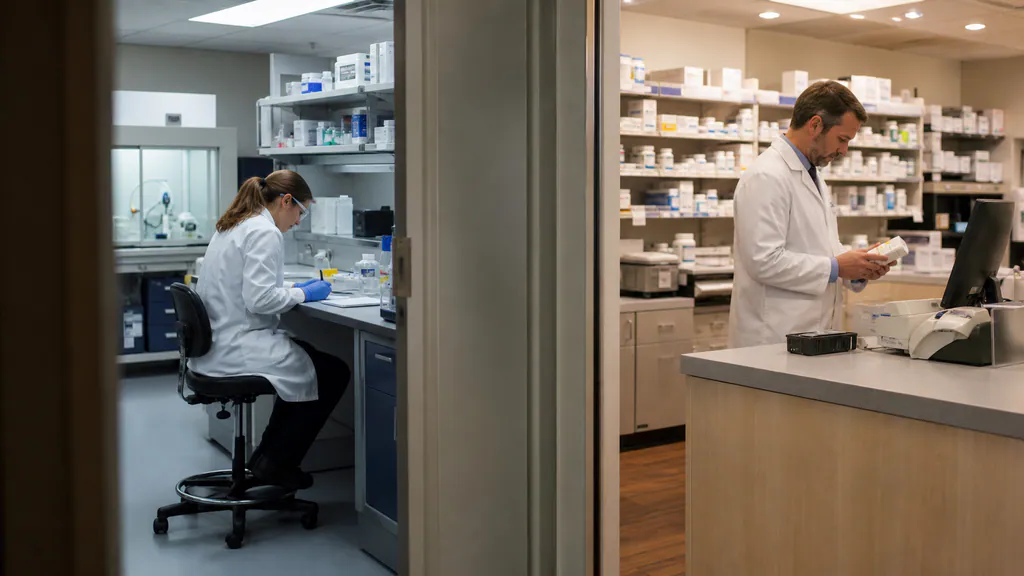
Research Peptides vs Compounded Peptides: What Changes?
Research peptides and compounded peptides are not interchangeable. Compare intended use, pharmacy involvement, prescriptions, testing, labels and FDA status.
Jul 30, 2026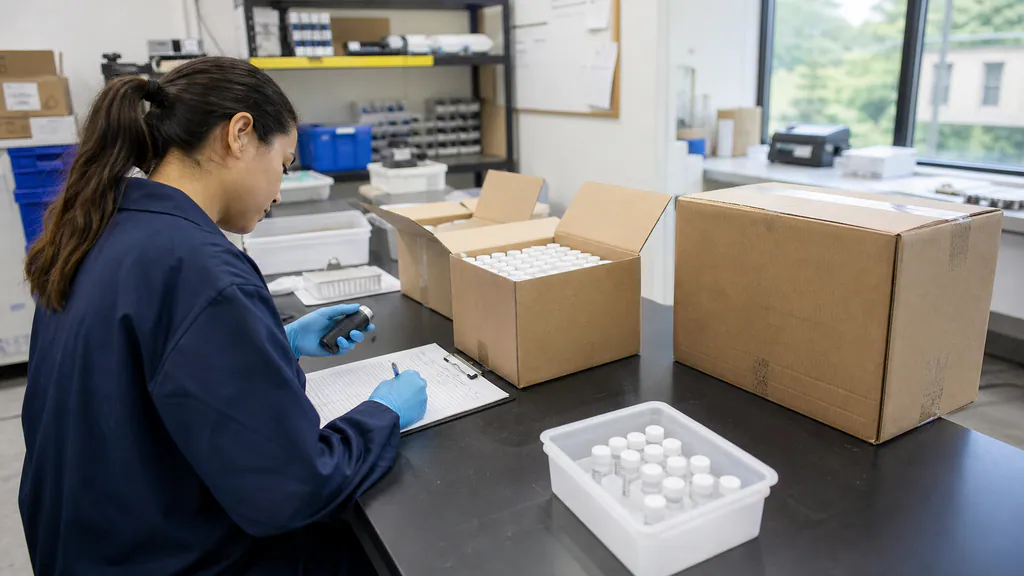
Peptide MOQ: How to Compare Minimum Orders Correctly
A peptide MOQ is only useful when its unit and specification are clear. Use this worksheet to compare bulk, custom and private-label quotes.
Jul 27, 2026
Peptide OEM vs ODM: Control, MOQ & Lead Time
Compare peptide OEM and ODM models by specification control, development work, MOQ, lead time, packaging, testing documents, and private-label options.
Jul 27, 2026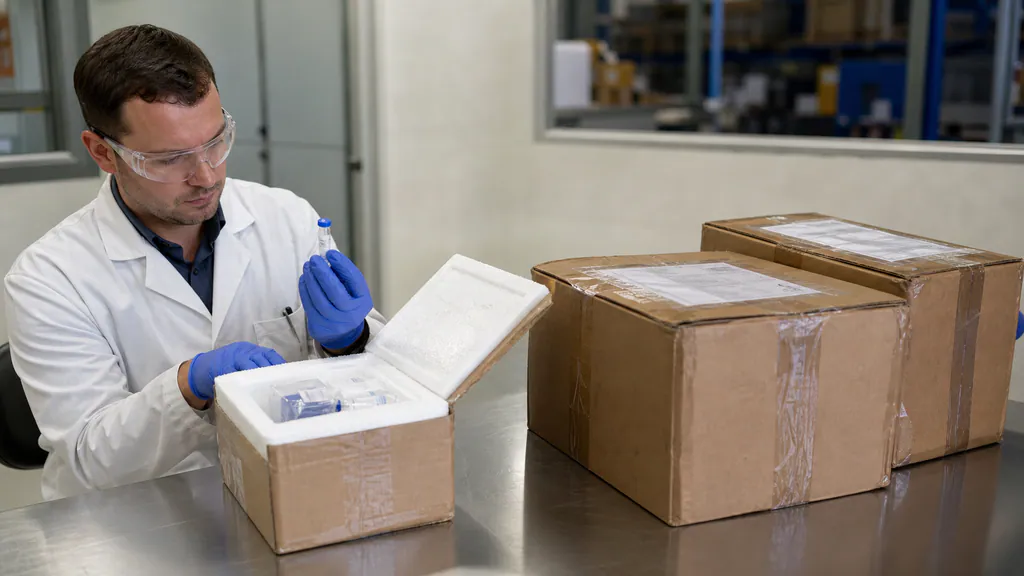
Peptide Sample vs Bulk Order: Three Approval Gates
A peptide sample proves fit, not repeatability. Use three approval gates to connect the sample, bulk batch, packaging, documents and final shipment.
Jul 27, 2026
Bulk Peptide Supplier: COA, MOQ & Quote Checklist
Compare bulk peptide suppliers by product specification, MOQ, batch COA, packaging, lead time, shipping terms, and delivered-cost quote before ordering.
Jul 26, 2026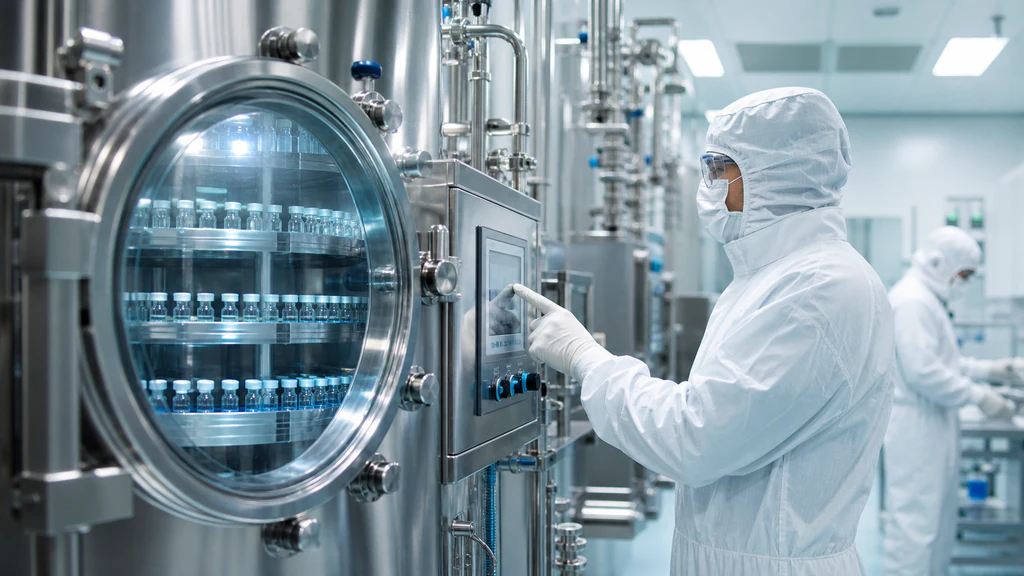
How to Verify a Research Peptide Manufacturer
A practical manufacturer-verification guide covering site identity, production scope, batch traceability, testing, packaging and repeat-order controls.
Jul 26, 2026
Wholesale Peptide Supplier for Resellers & Brands
A wholesale peptide supplier should support repeatable products, batch documents, practical packaging, volume quotes and reliable reorder planning.
Jul 26, 2026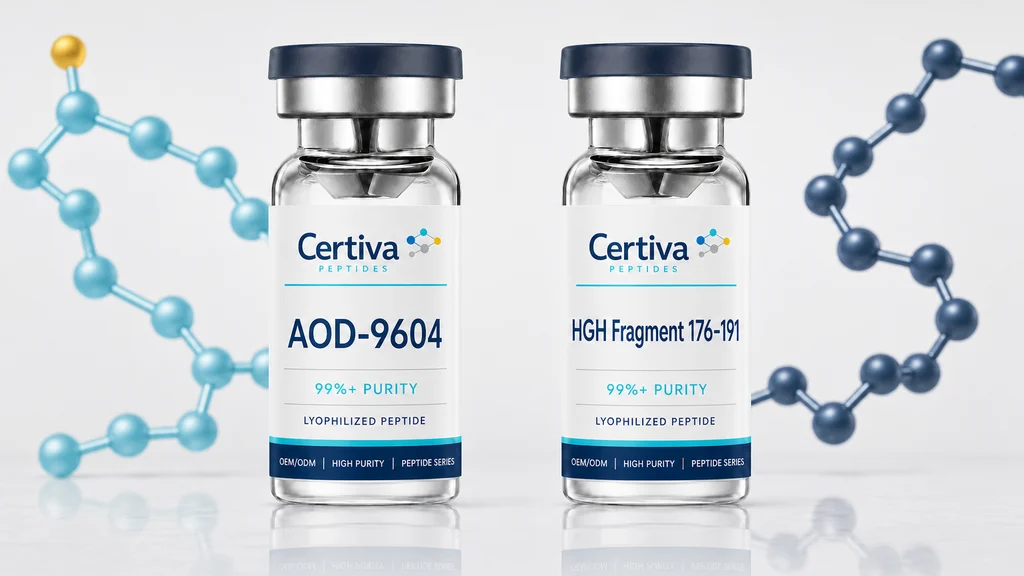
AOD-9604 vs HGH Fragment 176-191: The Difference
AOD-9604 is the modified version; HGH Fragment 176-191 is the direct C-terminal growth-hormone fragment. Compare their structures, research, and COAs.
Jul 25, 2026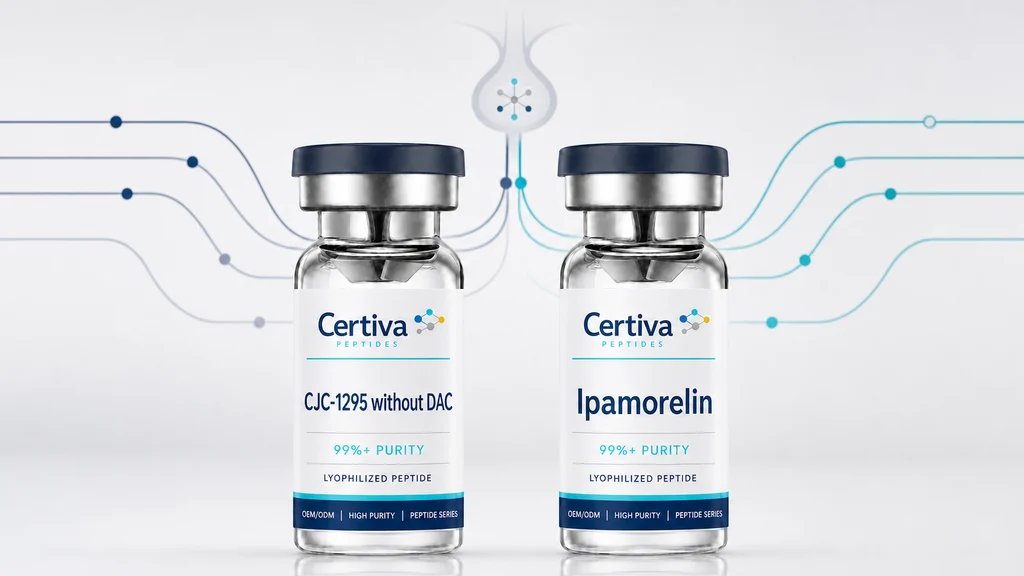
CJC-1295 vs Ipamorelin: What Is the Difference?
CJC-1295 uses the GHRH pathway, while ipamorelin uses the ghrelin receptor. See why researchers often compare them or study them together in research.
Jul 25, 2026
Peptide RFQ Template: 8 Details Suppliers Need
Use this peptide RFQ template to define the product, specification, quantity, packaging, documents, destination, delivery date, and commercial terms.
Jul 25, 2026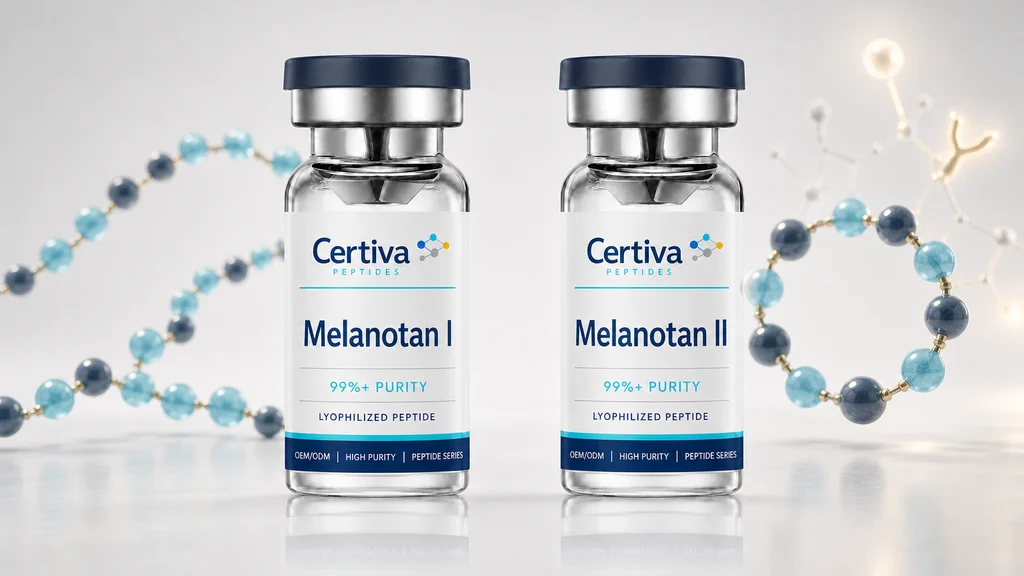
Melanotan 1 vs 2: What Is the Difference?
Melanotan 1 is the longer linear analog; Melanotan 2 is the shorter cyclic analog with broader melanocortin-receptor activity. Compare both.
Jul 25, 2026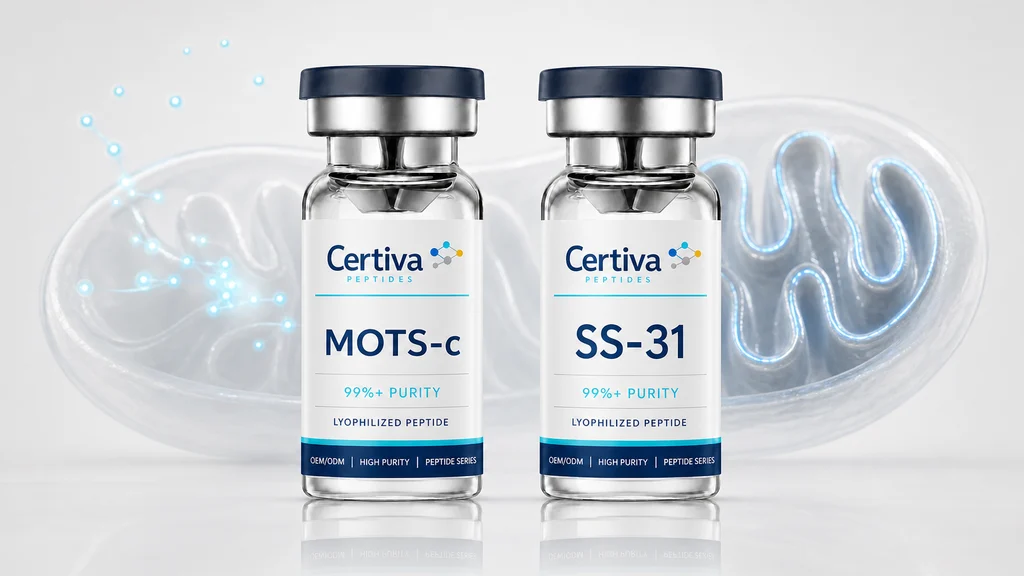
MOTS-c vs SS-31: Which Mitochondrial Peptide?
MOTS-c is the metabolic-signaling peptide, while SS-31 targets the inner mitochondrial membrane. Compare mechanisms, formats, COAs and research fit.
Jul 25, 2026
Peptide Landed Cost: Compare the Real Bulk Price
Peptide landed cost is the full cost of bringing an order to the buyer, including product, packaging, freight, insurance, duties, fees and local delivery.
Jul 25, 2026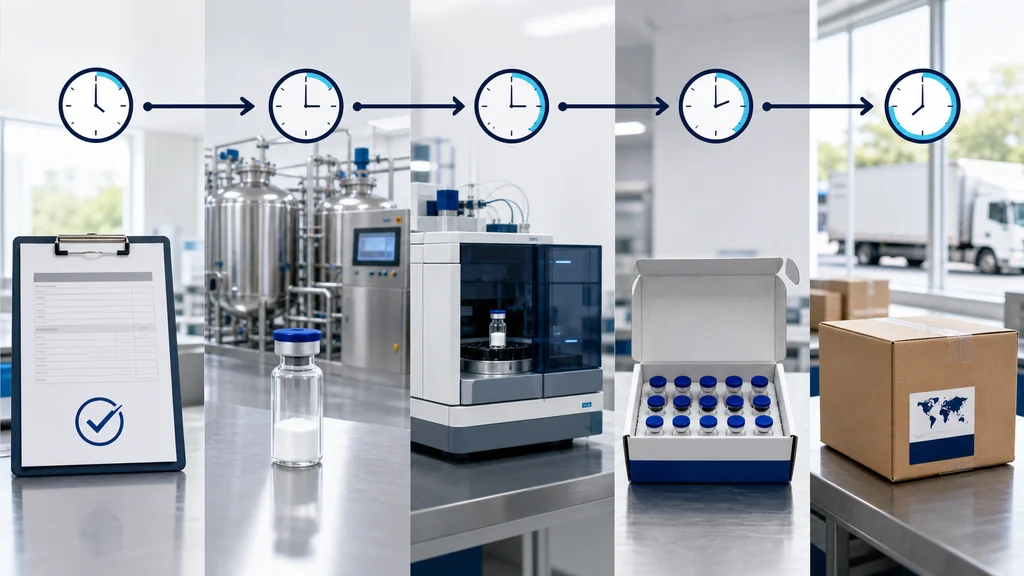
Peptide Lead Time: Stock, Custom & Repeat Orders
Peptide lead time is the total time from an approved order through production, testing, packaging, release and delivery. Learn what controls the date.
Jul 25, 2026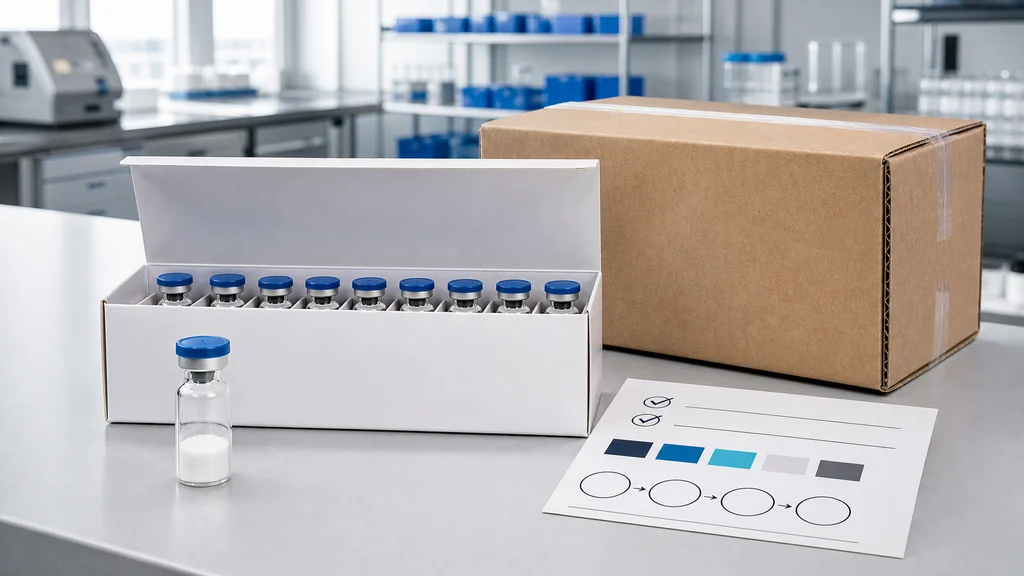
Peptide Packaging Guide for Wholesale & OEM Orders
Plan peptide packaging for wholesale, private-label, and OEM orders across vial, label, box, carton, batch fields, artwork approval, and shipping protection.
Jul 25, 2026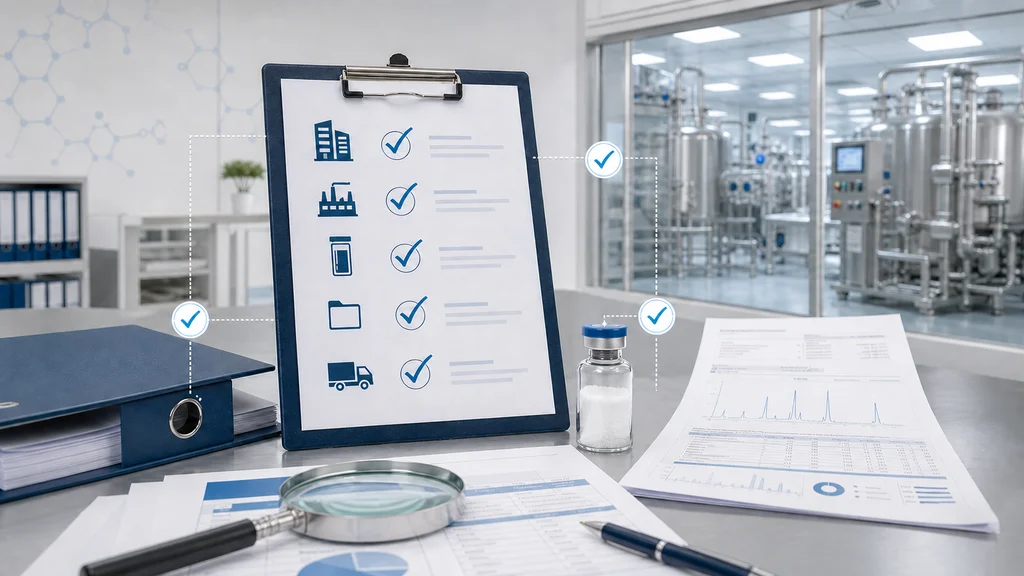
Peptide Supplier Audit Checklist for B2B Buyers
A peptide supplier audit checks whether the company, factory, quality documents, batch controls and commercial process can support your order.
Jul 25, 2026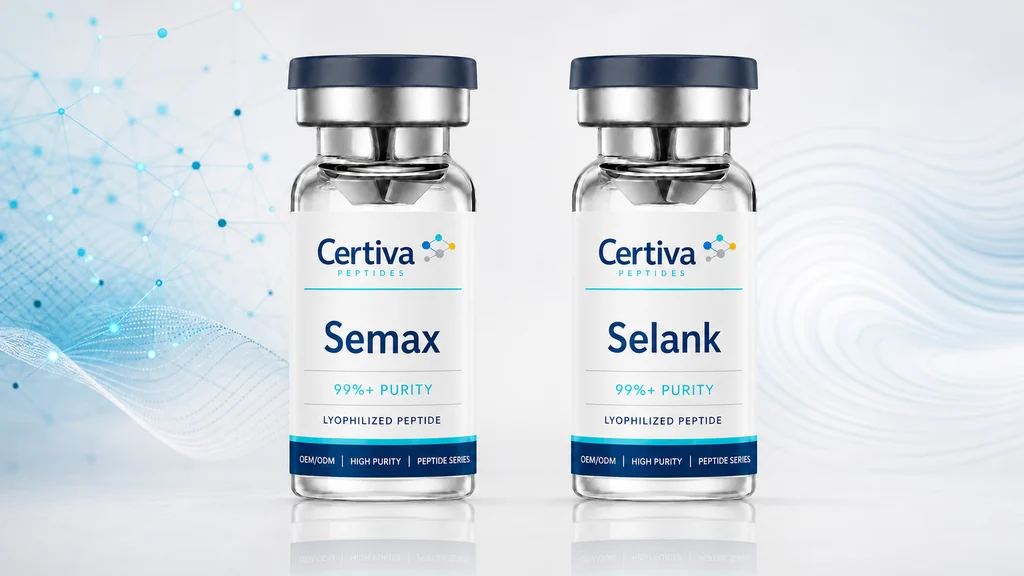
Semax vs Selank: Focus Peptide or Calm Peptide?
Semax is the cognitive-focused research peptide, while Selank is the calm-focused option. Compare mechanisms, vial sizes, blend options and COAs.
Jul 25, 2026
Tesamorelin vs Ipamorelin: What Is the Difference?
Tesamorelin uses the GHRH receptor, while ipamorelin uses the ghrelin receptor, creating two different growth-hormone research models. Compare both.
Jul 25, 2026
Cagrilintide vs Semaglutide: Which Is Better?
Semaglutide produced the larger stand-alone weight-loss result, while cagrilintide added the amylin pathway that made the combination stand out.
Jul 24, 2026
GHK-Cu vs AHK-Cu: Which Copper Peptide Is Better?
GHK-Cu is the better-known choice for face-focused skin renewal, while AHK-Cu is more focused on scalp and hair-density formulas. Compare both.
Jul 24, 2026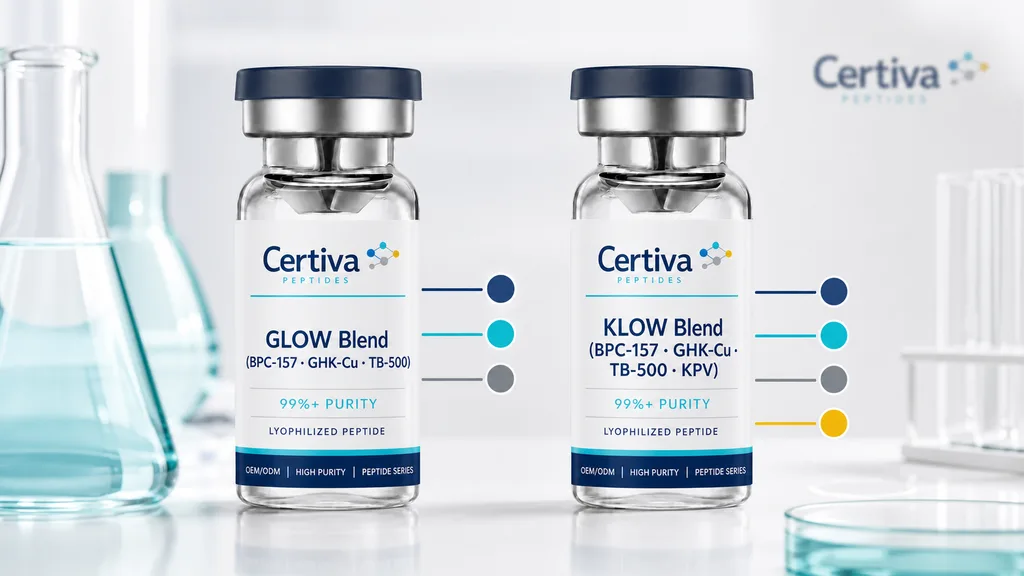
GLOW vs KLOW Peptide: What Is the Difference?
KLOW is GLOW plus KPV. Both share BPC-157, GHK-Cu and TB-500, while KLOW adds a fourth peptide for inflammation-focused research. See the table.
Jul 24, 2026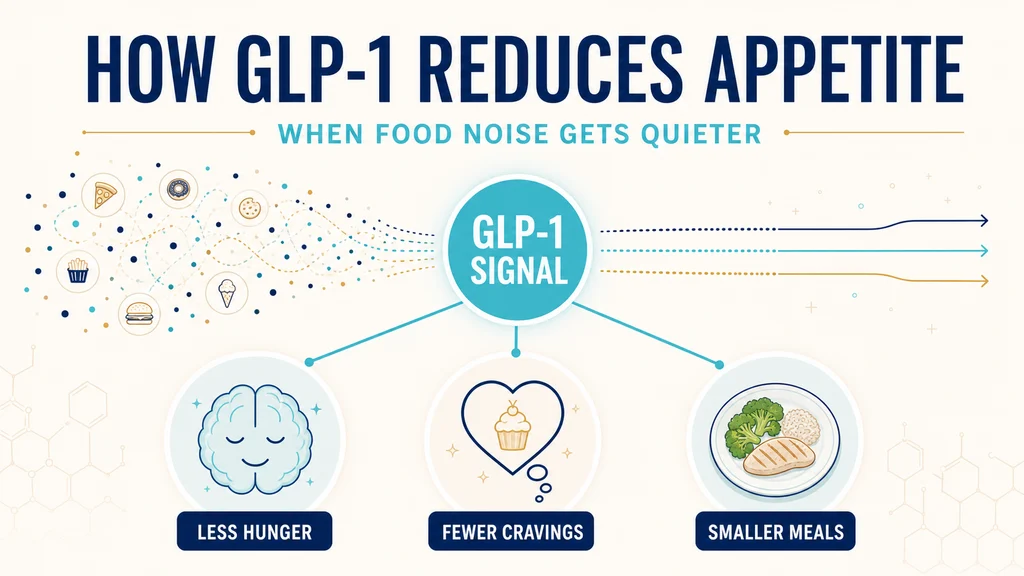
GLP-1 Hunger, Satiety and Food Aversion Explained
Learn how GLP-1 medicines can change hunger, fullness, food noise and food aversion—and why these experiences are not the same thing.
Jul 24, 2026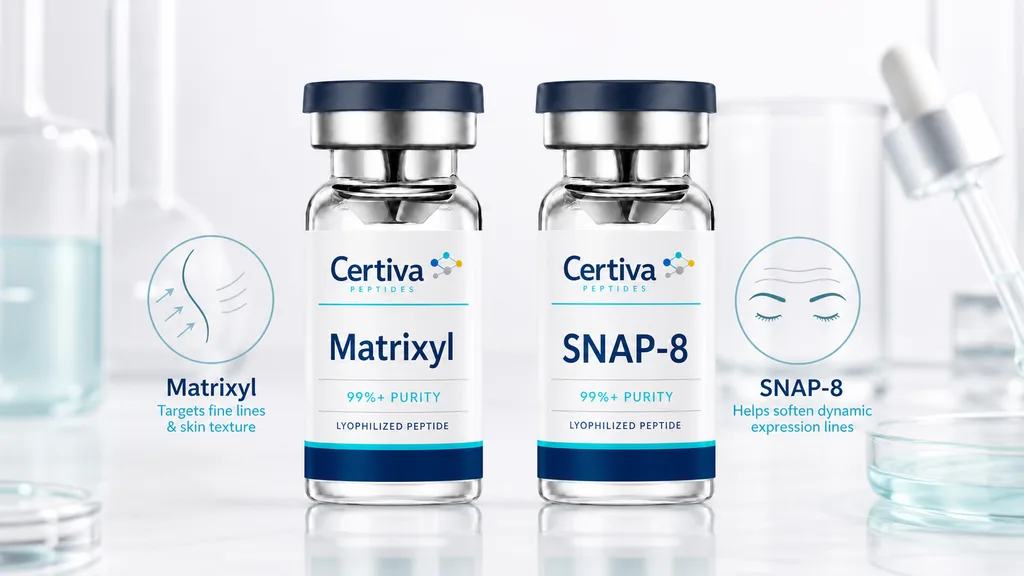
Matrixyl vs SNAP-8: Which Peptide Is Better for Wrinkles?
Matrixyl is the stronger all-around choice for fine lines and firmness, while SNAP-8 is more focused on expression-line formulas. Compare both.
Jul 24, 2026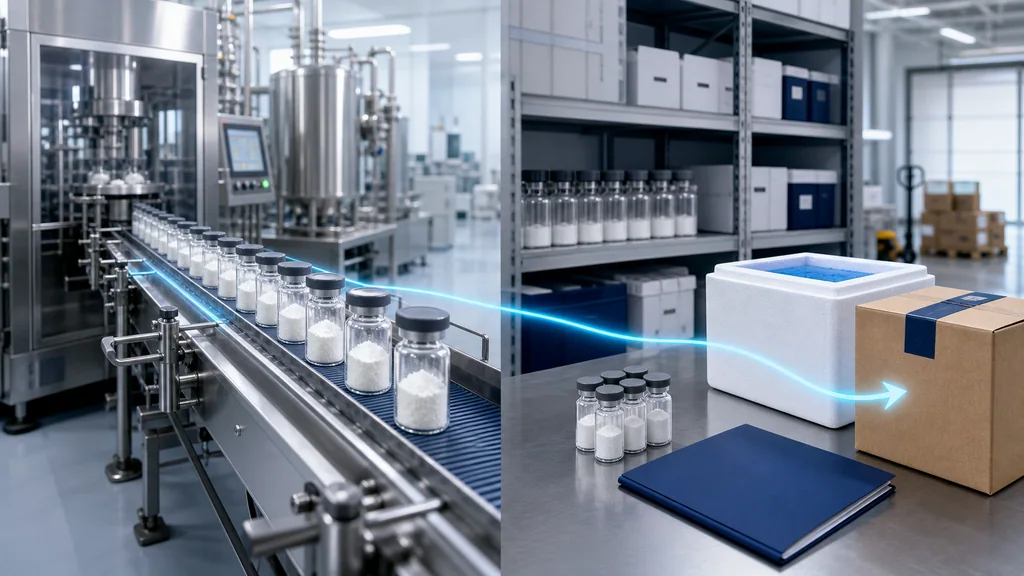
Peptide Supplier vs Manufacturer: What Is the Difference?
Compare peptide suppliers and manufacturers by production role, batch traceability, testing documents, packaging, lead times, and direct technical support.
Jul 24, 2026
Peptides in Skincare: Which One Should You Choose?
Peptides in skincare can support smoother, firmer-looking skin. Compare GHK-Cu, Matrixyl, SNAP-8 and AHK-Cu before choosing a peptide serum.
Jul 24, 2026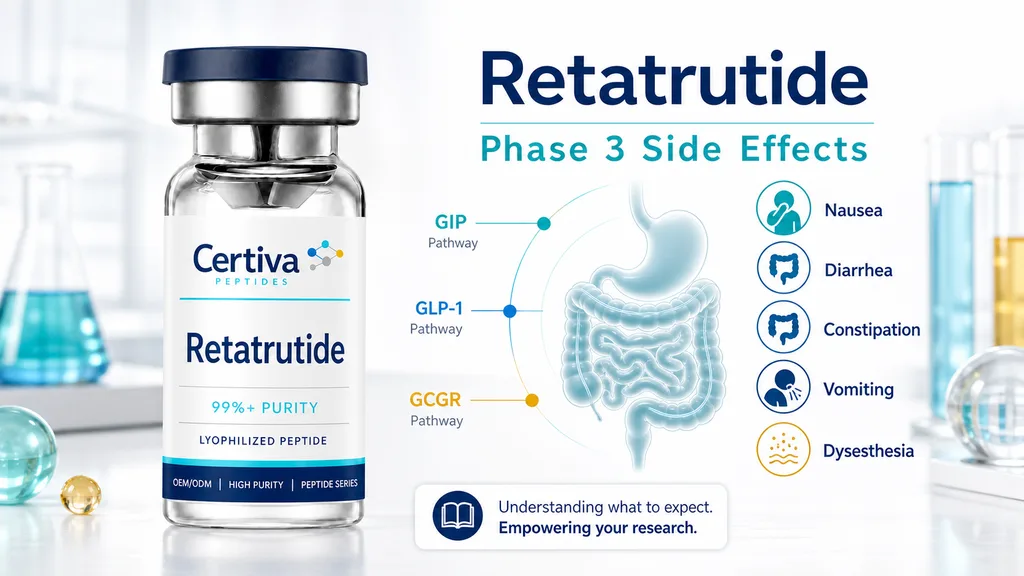
Retatrutide Side Effects: What Phase 3 Found
The most common retatrutide side effects are nausea, diarrhea, constipation and vomiting. Phase 3 reports say most were mild to moderate. See the rates.
Jul 24, 2026
Retatrutide vs Semaglutide: Which Is Better?
Retatrutide has reported the larger topline average weight-loss result, while semaglutide has the longer approved track record. Compare both simply.
Jul 24, 2026
Semaglutide Side Effects: What Is Normal and What Is Not?
The most common semaglutide side effects are nausea, diarrhea, vomiting, constipation and stomach pain, mostly during dose escalation. See the rates.
Jul 24, 2026
What Are Skin Boosters? The Glow-Without-Filler Guide
Skin boosters are injectable treatments designed to improve hydration, texture and skin quality rather than primarily add volume. Compare the main types.
Jul 24, 2026
Tirzepatide Side Effects: What Should You Expect?
The most common tirzepatide side effects are nausea, diarrhea, vomiting, constipation and stomach pain. Most are digestive. See rates and timing.
Jul 24, 2026
What Is Cagrilintide? The Amylin Peptide Explained
Cagrilintide is a long-acting amylin analog studied for appetite control and weight management. Learn how it works and why CagriSema matters.
Jul 24, 2026
What Is Semaglutide? GLP-1 Peptide Explained
Semaglutide is a synthetic GLP-1 peptide used in approved medicines. Learn how it works, how it differs from tirzepatide, and what clinical trials found.
Jul 24, 2026
What Does Third-Party Tested Mean? Don’t Trust the Badge
Third-party tested means an independent lab—not the seller—tested a specific batch and issued a report you can verify. Check the batch, method and result.
Jul 24, 2026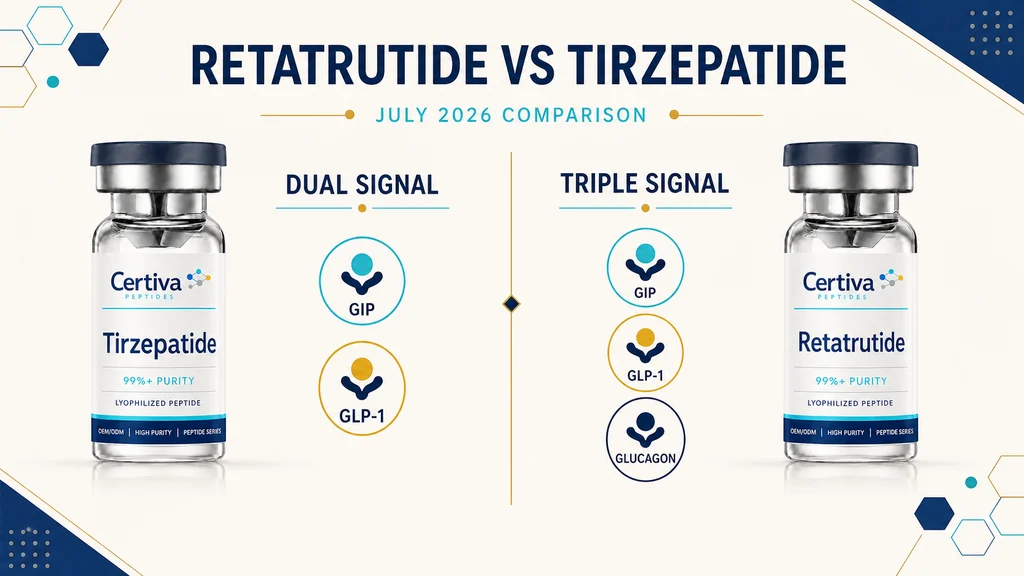
Retatrutide vs Tirzepatide: 2026 Evidence Compared
Retatrutide and tirzepatide differ in receptor activity, evidence and approval status. Compare the trials without treating separate studies as a head-to-head result.
Jul 23, 2026
Retatrutide Phase 3 Results: What We Know in 2026
Retatrutide is not FDA approved. July 2026 topline data reported 20.8% and 22.6% average weight change at 80 weeks in two Phase 3 trials.
Jul 23, 2026
How Much Bacteriostatic Water to Add to a Peptide?
Use the mass ÷ target concentration formula to calculate total liquid volume. Includes worked examples, unit checks and an important safety boundary.
Jul 22, 2026
How to Choose a Peptide Supplier: 7 Quality Checks
Use seven checks to compare peptide suppliers: specifications, current-batch COAs, HPLC and mass spectrometry results, traceability, shipping, and support.
Jul 22, 2026
BPC-157 Dosage Calculator: What It Can and Cannot Tell You
There is no established human BPC-157 dose. This calculator converts user-supplied vial mass, liquid volume and reference amount without recommending a dose.
Jul 21, 2026
BPC-157 for Muscle Growth & Recovery Research
BPC-157 is widely discussed in muscle, tendon and tissue-repair research. Explore the evidence, available COAs and research ordering options.
Jul 21, 2026
BPC-157 vs TB-500: Differences & Blend Options
BPC-157 and TB-500 support different parts of the repair-research story. Compare their research focus, single-vial options, Wolverine blend and COAs.
Jul 21, 2026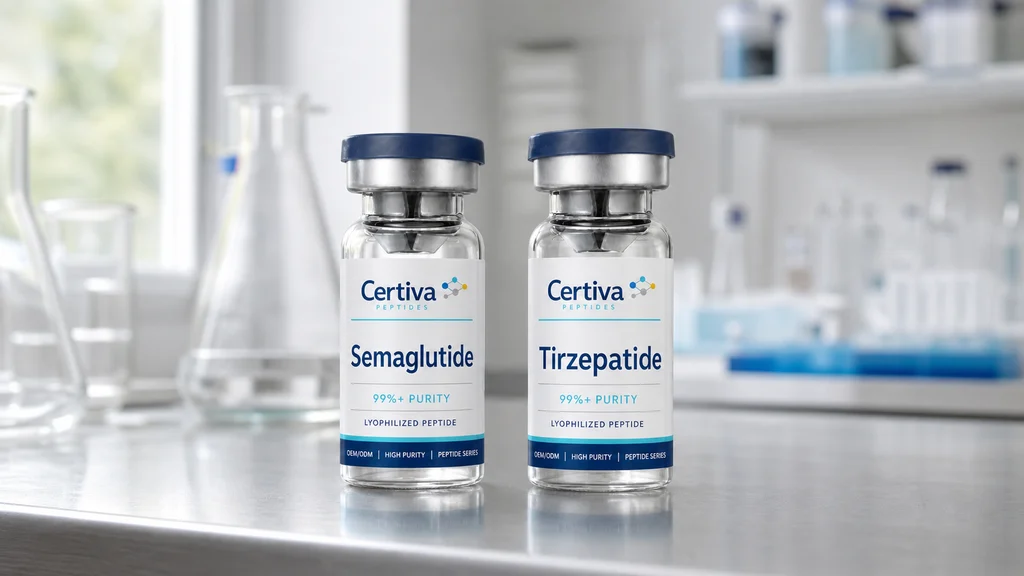
Semaglutide vs Tirzepatide: Trial Results & Differences
Compare semaglutide and tirzepatide by receptor targets, SURMOUNT-5 weight-loss results, side effects, approval history, and research specifications.
Jul 21, 2026
Wolverine Peptide: BPC-157 + TB-500 Blend Guide
The Wolverine peptide is a popular name for a BPC-157 and TB-500 research blend. See what is inside, compare vial sizes, check the COA and request a quote.
Jul 21, 2026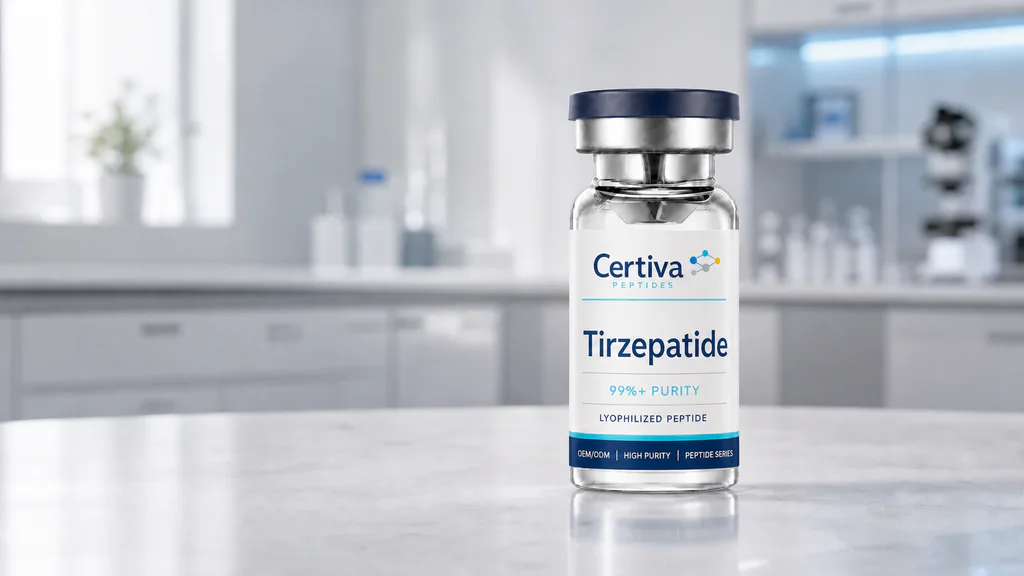
Is Tirzepatide a Peptide? Structure and 39 Amino Acids
Yes, tirzepatide is a 39-amino-acid synthetic peptide. See what its modified structure means and how it differs from semaglutide and retatrutide.
Jul 20, 2026
What Are Peptides? Definition, Uses & Key Differences
Peptides are short chains of amino acids. Learn how peptide bonds work, what peptides do, where they are used, and how peptides differ from proteins.
Jul 20, 2026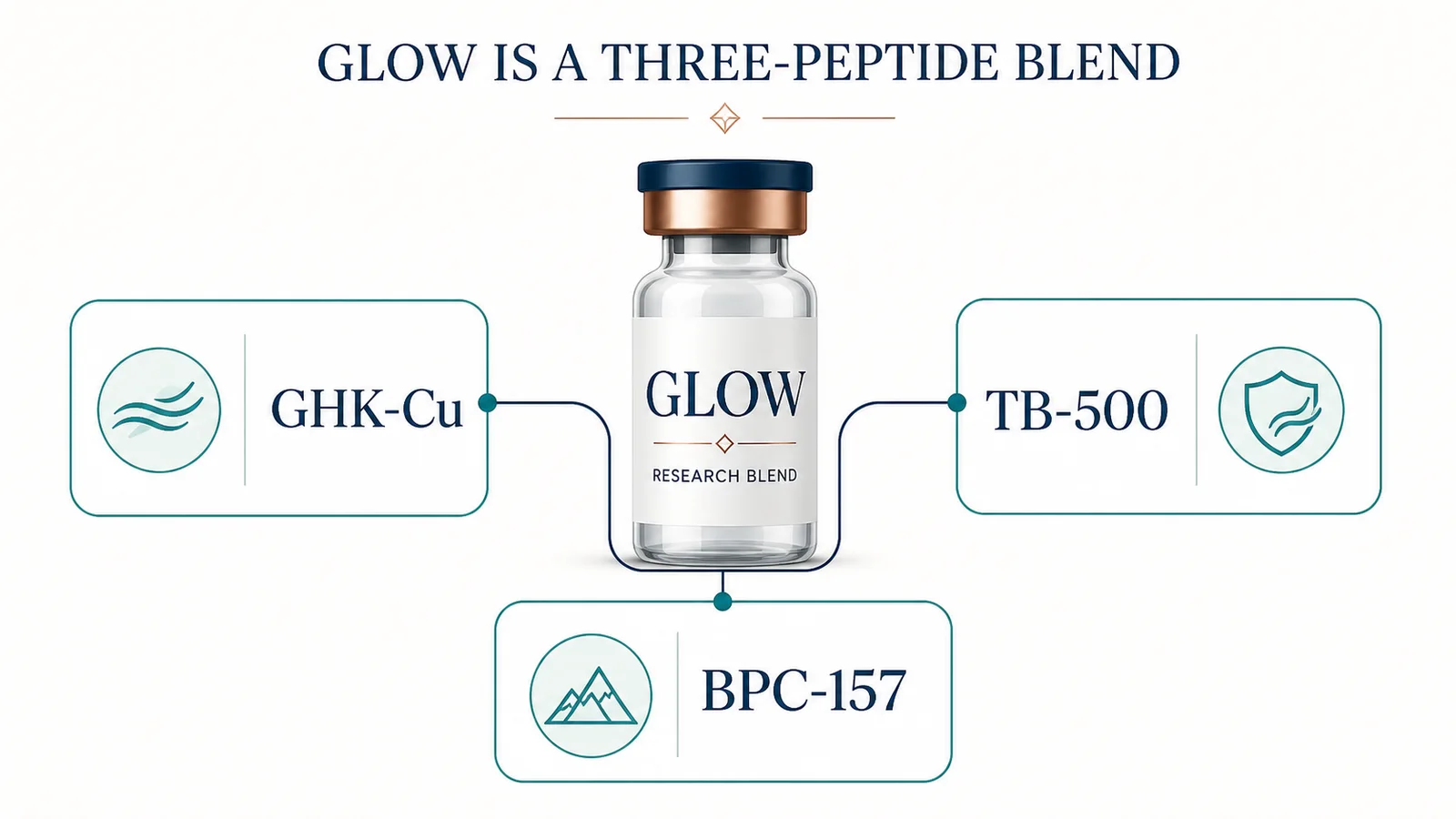
What Is GLOW Peptide? Components, Evidence and Limits
GLOW is a non-standardized research blend usually built from GHK-Cu, BPC-157 and TB-500. Learn what each component is—and what has not been proven.
Jul 20, 2026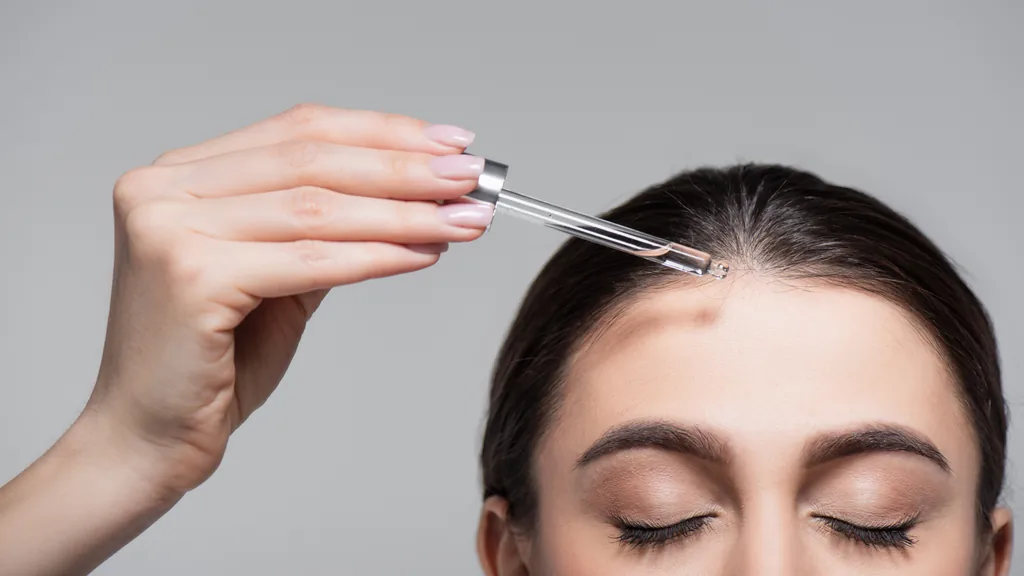
Copper Peptides for Hair Growth: Does GHK-Cu Work?
Copper peptides can support hair growth. Studies report longer-growing follicles, increased hair count and less hair fall in copper-peptide formulas.
Jul 19, 2026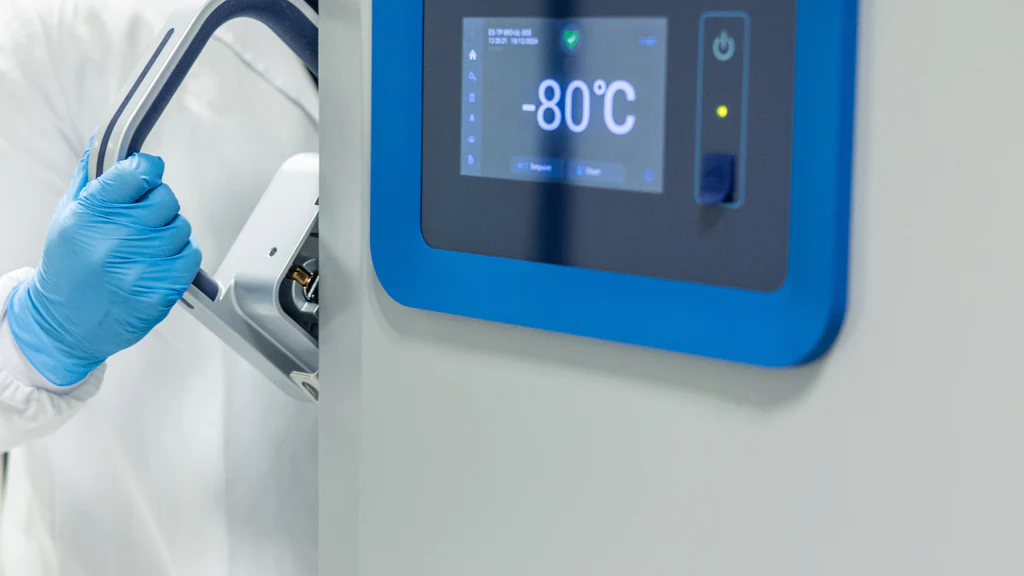
Do Peptides Need Cold-Chain Shipping? What to Check
Do peptides need cold-chain shipping? Learn how product form, stability data, transit time, packaging, monitoring, and arrival checks affect the answer.
Jul 19, 2026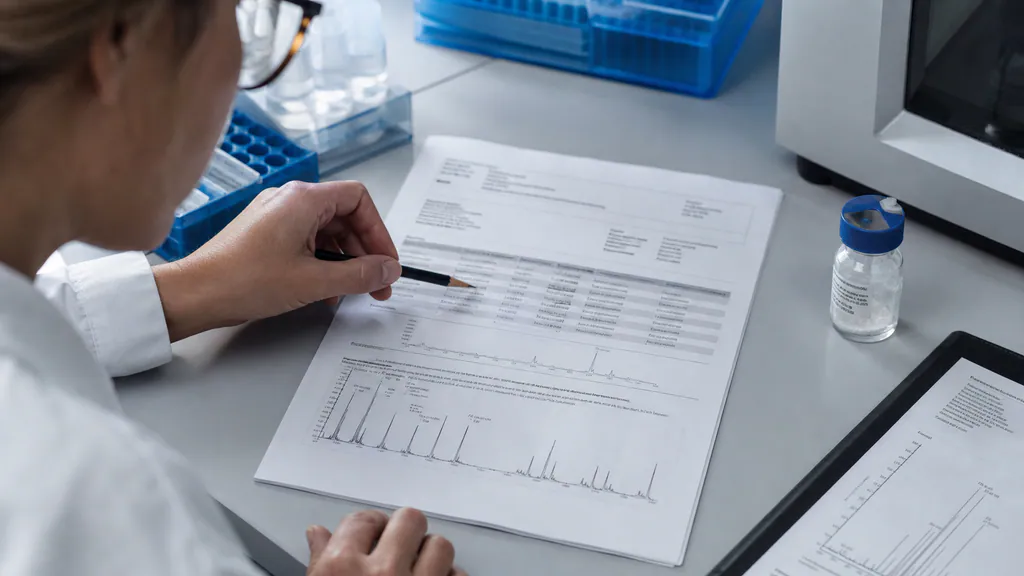
How to Read a Peptide COA Without Guessing
Learn how to read a peptide COA, match it to the correct batch, and understand what HPLC purity, mass spectrometry, content, and test dates mean.
Jul 1, 2026
HPLC vs Mass Spectrometry for Peptides: Why You Need Both
Compare HPLC and mass spectrometry for peptide testing. HPLC shows the purity profile, while mass spectrometry helps confirm molecular identity.
Jun 24, 2026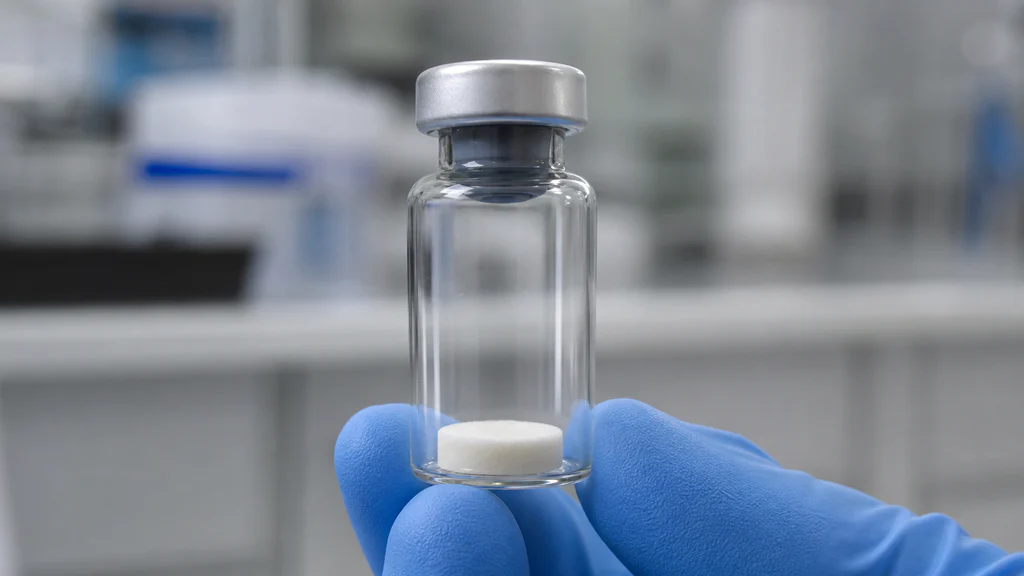
How to Store Lyophilized Peptides: Arrival & Storage Guide
Learn how to store lyophilized peptides, inspect the vial on arrival, recognize normal cake appearance, limit moisture, and document temperature excursions.
Jun 17, 2026Every batch, worthy of trust.
Request a Certificate of Analysis, ask about a category, or start a bulk / OEM inquiry — we reply within one business day.