


Peptide Quality Testing & COAs
Use these guides to connect a product name to the right batch, tests, acceptance limits, and quality documents before you make a buying decision.
Peptide Quality Testing: The Complete Buyer's Guide
A complete guide to peptide quality testing: identity, HPLC purity, assay, water, residual solvents, sterility, endotoxin, stability, COAs and supplier review.
Read the main guide →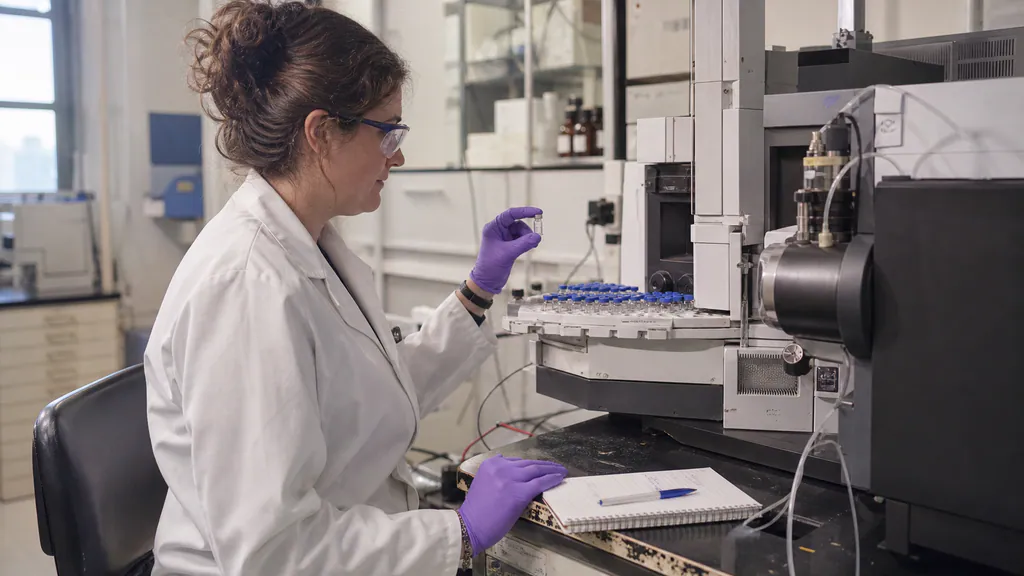
8 more plain-English guides
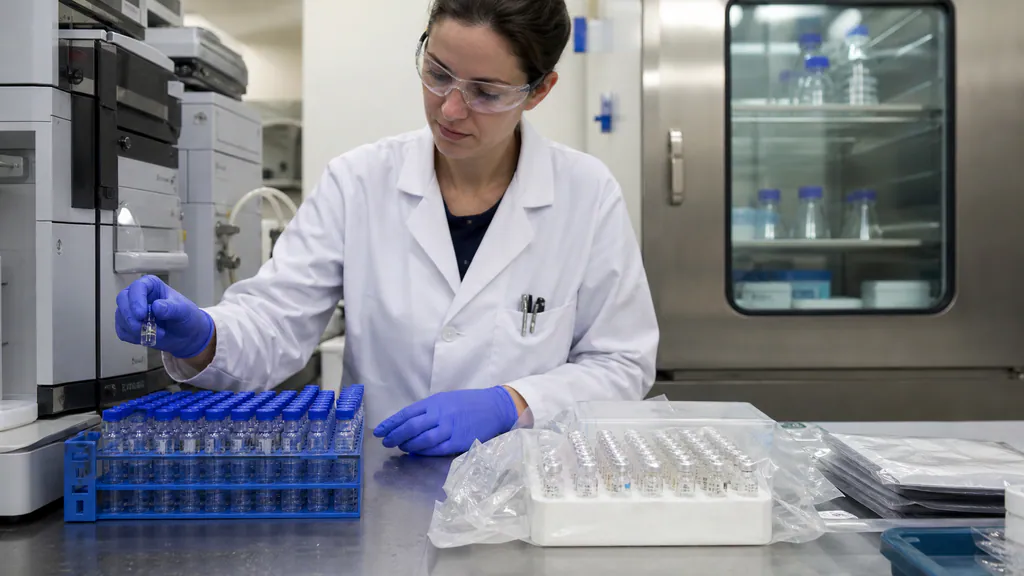
Peptide Purity vs Sterility vs Endotoxin: 99% Isn't Enough
A 99% HPLC result does not prove identity, content, sterility or low endotoxin. Learn which peptide test answers each question and how to scope a COA.
Aug 5, 2026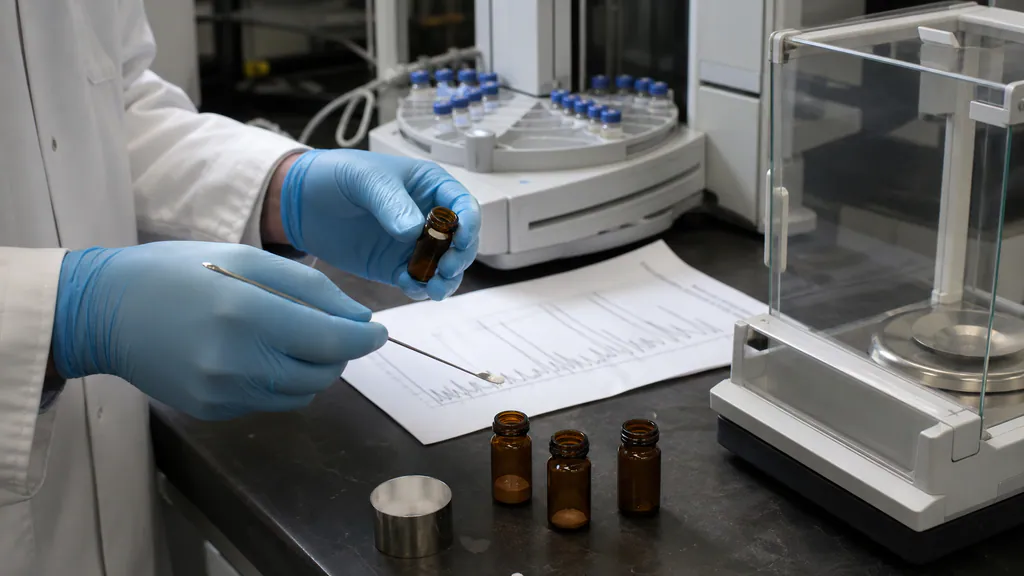
Semaglutide Base vs Sodium and Acetate: FDA Warning
Semaglutide sodium and acetate are not the active ingredient in approved drugs. Learn FDA's position, chemistry distinctions and COA checks.
Aug 5, 2026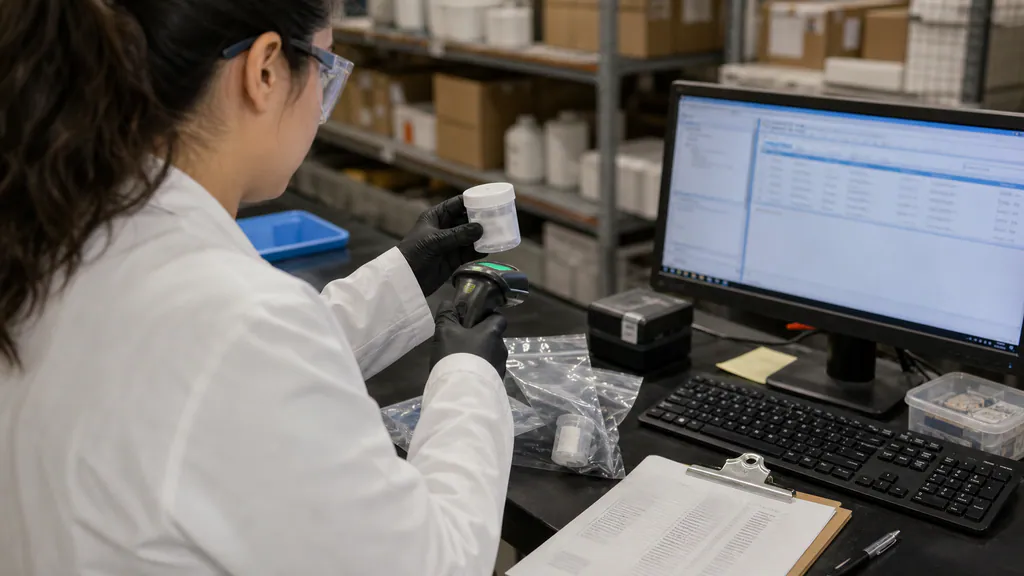
Peptide Batch Traceability: Match the COA to the Lot
Peptide batch traceability connects a lot number to production, testing, packaging and delivery records. Learn how to verify a batch report and COA.
Aug 2, 2026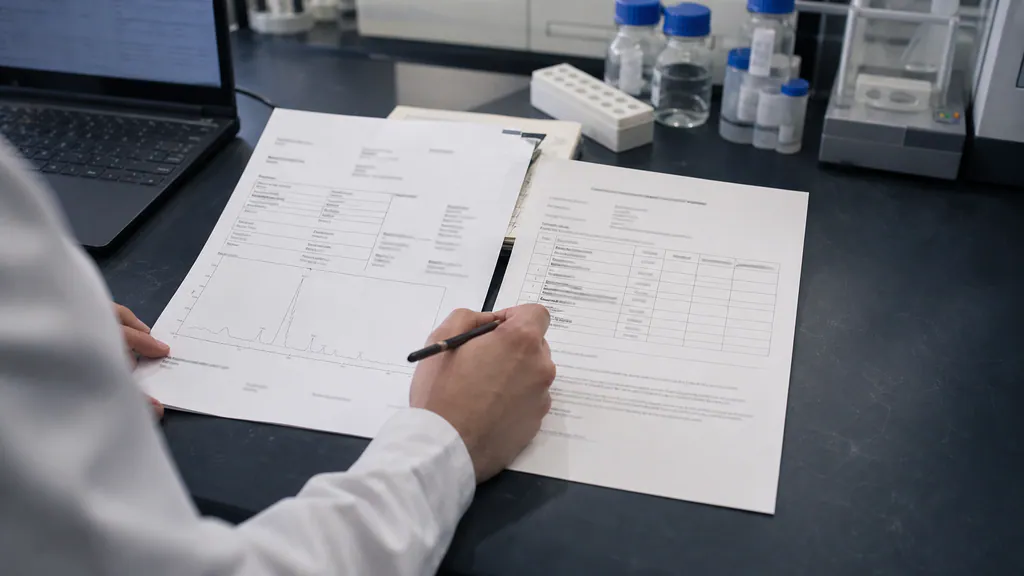
Peptide COA vs Specification Sheet: How to Match Them
A peptide specification defines acceptable results; a batch-specific COA reports what one lot achieved. Learn how to reconcile them line by line.
Aug 2, 2026
Research Peptides vs Compounded Peptides: What Changes?
Research peptides and compounded peptides are not interchangeable. Compare intended use, pharmacy involvement, prescriptions, testing, labels and FDA status.
Jul 30, 2026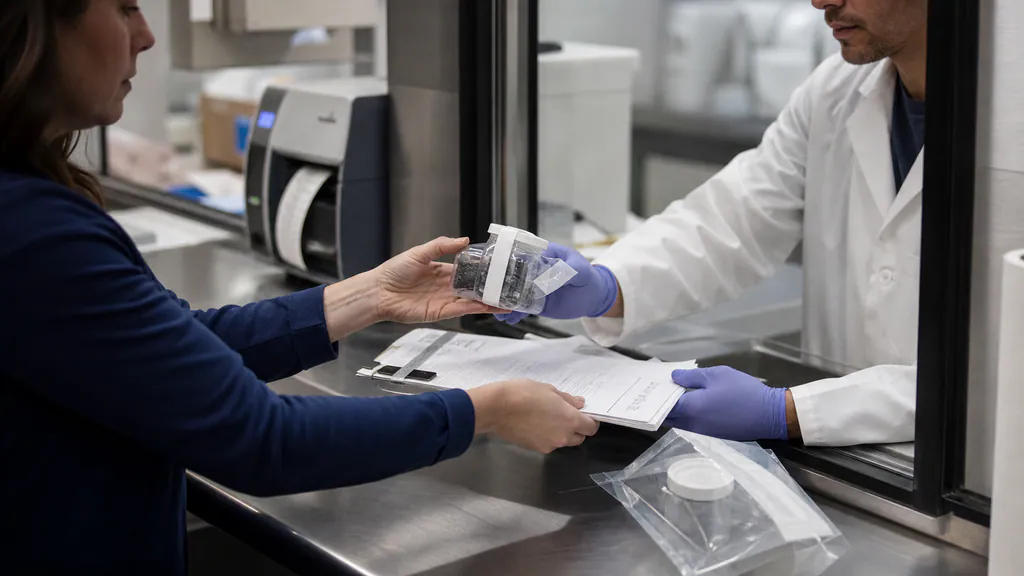
What Does Third-Party Tested Mean? Don’t Trust the Badge
Third-party tested means an independent lab—not the seller—tested a specific batch and issued a report you can verify. Check the batch, method and result.
Jul 24, 2026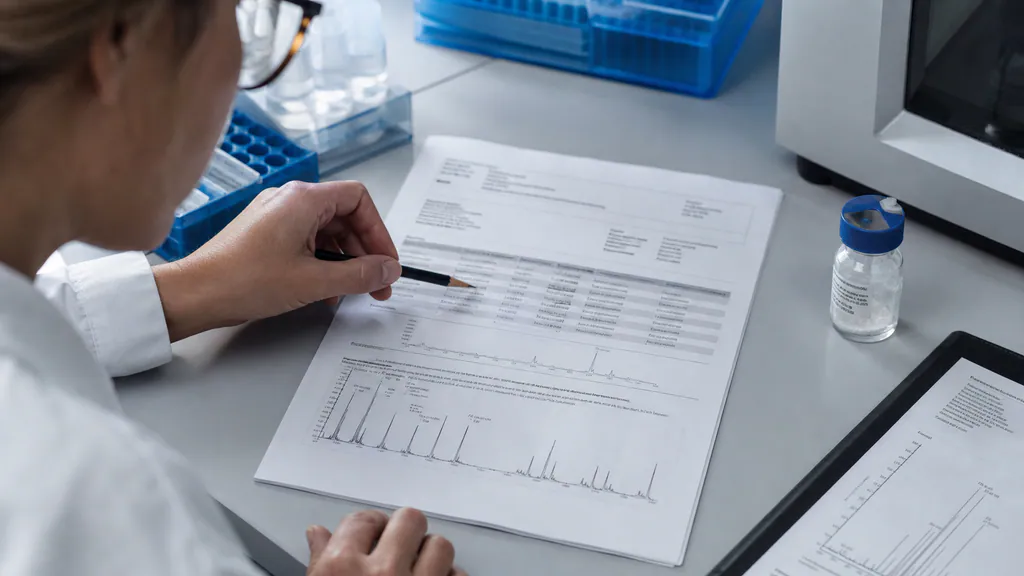
How to Read a Peptide COA Without Guessing
Learn how to read a peptide COA, match it to the correct batch, and understand what HPLC purity, mass spectrometry, content, and test dates mean.
Jul 1, 2026
HPLC vs Mass Spectrometry for Peptides: Why You Need Both
Compare HPLC and mass spectrometry for peptide testing. HPLC shows the purity profile, while mass spectrometry helps confirm molecular identity.
Jun 24, 2026Ready for the next step?
Use the guides to understand the decision, then review the relevant Certiva products, documents, or inquiry options.