


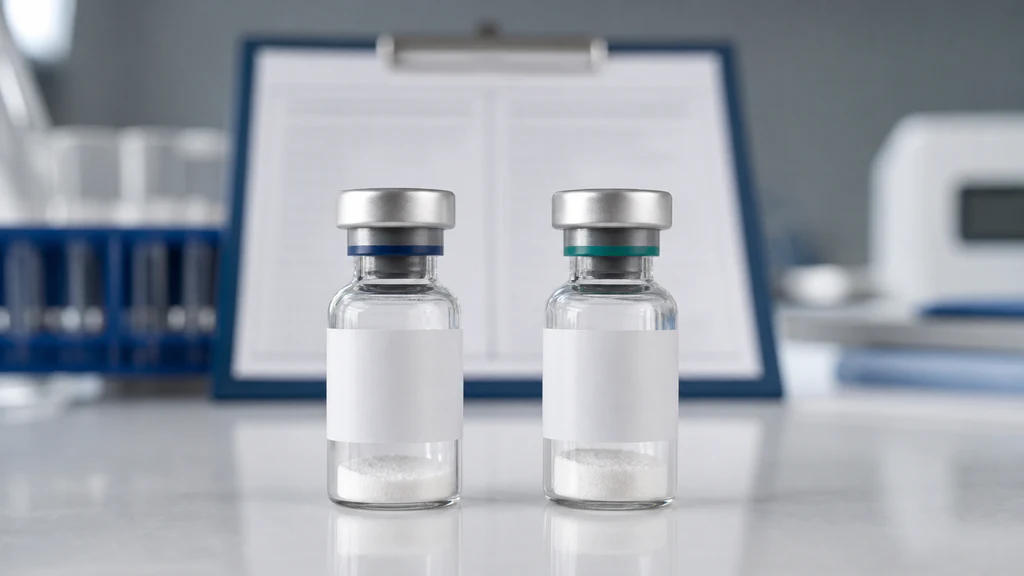
BPC-157 and TB-500 often enter the same conversation, but they do not tell the same part of the story.
BPC-157 and TB-500 support different parts of the repair-research story.
The short version of BPC-157 vs TB-500 is this: BPC-157 appears in research on muscle injury, tendon cells, and local tissue rebuilding. TB-500 is related to thymosin beta-4 research on actin, cell movement, and vascular signaling. Buyers can order either peptide alone or choose a fixed BPC-157 + TB-500 blend.
BPC-157 vs TB-500: what is the difference?
Here is the simple comparison without a giant science table:
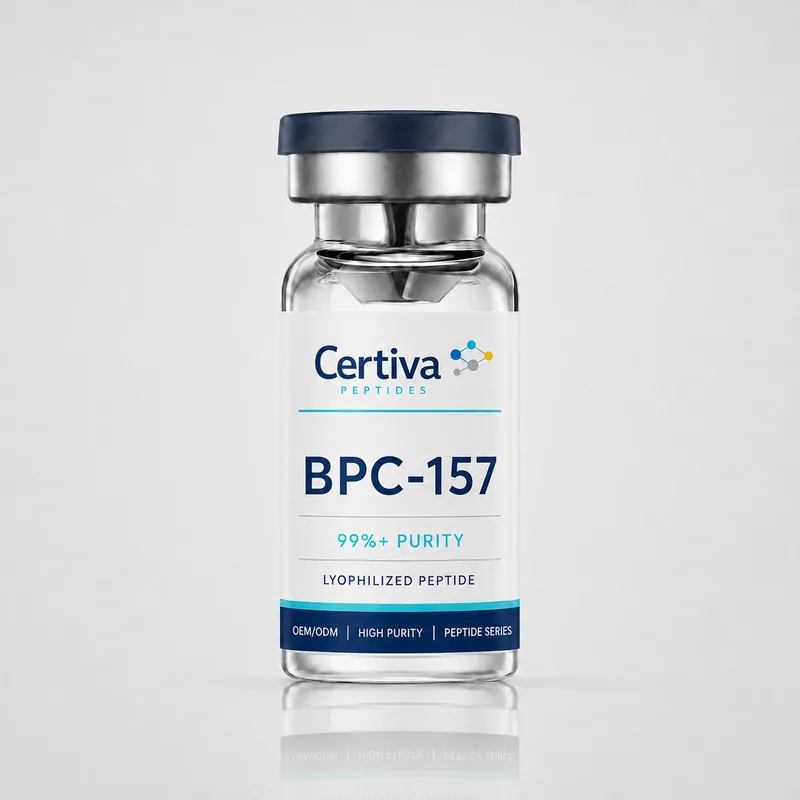
- BPC-157: a 15-amino-acid peptide with research involving injured muscle, tendon fibroblasts, connective tissue, blood-vessel signaling, and other repair models.
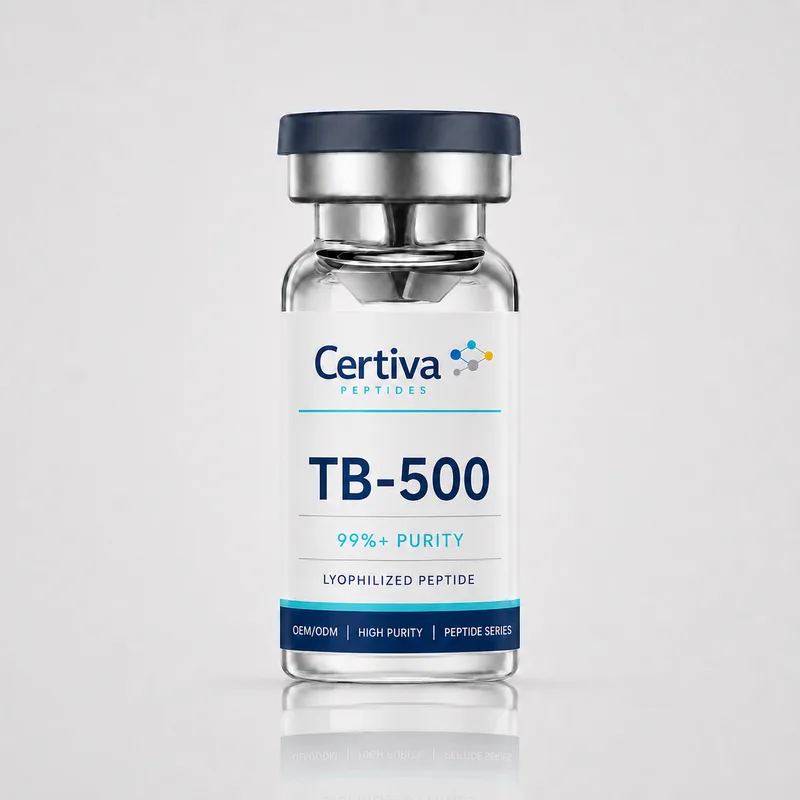
- TB-500: a synthetic research peptide related to thymosin beta-4 work involving actin, cell migration, angiogenesis, and tissue remodeling.
- BPC-157 + TB-500: a fixed blend for projects that call for both references in one documented composition.
Neither name tells you the batch quality. The vial specification and COA still need to match the material being ordered.
What does BPC-157 do in muscle and tendon research?
BPC-157 has a clear place in the peptides for muscle growth and recovery conversation because rebuilding after damage is part of muscle progress.
Published models have reported:
- improved healing measures and return of function after rat muscle injury;
- increased movement and spreading of tendon fibroblasts;
- support for tendon-cell survival under stress; and
- improved muscle reattachment and functional recovery in a rat muscle-to-bone model.
Read the BPC-157 muscle-healing study, tendon-cell study, and muscle-to-bone repair study.
For the complete muscle-focused explanation, see BPC-157 for muscle growth and recovery research.
What does TB-500 add to the research conversation?
TB-500 is connected to thymosin beta-4, a peptide studied around cell movement and tissue organization. Research themes include:
- actin, a protein involved in cell shape and movement;
- cell migration into areas being studied;
- angiogenesis and vascular signaling; and
- tissue-remodeling processes.
Published thymosin beta-4 research reported increased cell migration and vascular responses in cell and animal models. See the thymosin beta-4 study on PubMed.
Should I choose BPC-157, TB-500, or the blend?
Start with the research format you need:
- Choose BPC-157 when the project needs a BPC-157 reference.
- Choose TB-500 when the project needs a thymosin beta-4-related research reference.
- Choose the BPC-157 + TB-500 blend when the project calls for both peptides in one fixed composition.
Separate vials make it easier to compare each peptide independently. A fixed blend makes it easier to reorder the same two-peptide composition.
The blend is popularly known as the Wolverine peptide. Read the Wolverine peptide guide for the nickname, composition, vial sizes, and ordering details.
What specifications are available?
Certiva’s stocked options include:
- BPC-157: 5 mg, 10 mg, and 20 mg per vial;
- TB-500: 5 mg and 10 mg per vial;
- 10 mg blend: 5 mg BPC-157 + 5 mg TB-500; and
- 20 mg blend: 10 mg BPC-157 + 10 mg TB-500.
Standard boxes contain 10 vials. Bulk quantities and custom blend ratios are available by inquiry.
What should I check before ordering?
Compare the same five things for every format:
- peptide name and vial composition;
- matching batch or lot number;
- HPLC purity result;
- mass-spectrometry identity information; and
- quantity, lead time, packaging, and repeat-order support.
Our peptide COA guide explains the paperwork in plain English.
Choose by the research question, not the blend name
BPC-157 focuses the conversation on muscle, tendon, and local tissue models; TB-500 adds actin, cell-movement, and remodeling research themes.
Choose single references for individual comparison work or the Wolverine blend for a fixed BPC-157 + TB-500 composition.
Request a COA and quote
Tell Certiva whether you need BPC-157, TB-500, or the blend, plus the vial strength, quantity, destination country, and documentation needs. We will reply with current availability, the applicable batch information, lead time, and a quote.
Compare current COAs + request a quote →
Sources and further reading
- PubMed: BPC-157 in a muscle-healing research model
- PubMed: BPC-157 and tendon-fibroblast movement
- PubMed: BPC-157 and muscle-to-bone repair
- PubMed: thymosin beta-4, cell migration, and angiogenesis
Frequently asked questions
What is the main difference between BPC-157 and TB-500?
BPC-157 and TB-500 support different parts of the repair-research story. BPC-157 appears in local muscle, tendon-cell, and tissue models, while TB-500 is related to thymosin beta-4 research involving actin, cell movement, and vascular signaling.
Is BPC-157 the same as TB-500?
BPC-157 and TB-500 are different research peptides. They can be ordered separately for comparison work or together in a documented fixed-composition blend.
Which is better, BPC-157 or TB-500?
The better format is the one that matches the project. Choose BPC-157 for a BPC-focused reference, TB-500 for thymosin beta-4-related work, or the blend when the study calls for both in one fixed composition.
What is a BPC-157 and TB-500 blend called?
A BPC-157 + TB-500 combination is popularly called the Wolverine peptide, Wolverine stack peptide, or Wolverine blend.
Can I order BPC-157 and TB-500 in bulk?
Yes. Certiva accepts bulk, wholesale, and custom-quantity inquiries for BPC-157, TB-500, and the fixed-composition blend. Request current availability, batch COAs, lead time, and a destination-based quote.
For research use only. Not for human consumption. This article is educational and makes no medical, therapeutic, or dosing claims.
← More sourcing & supply guides · Have a question? Start an inquiry →