


A 2026 Phase 2 trial found that adding apitegromab to tirzepatide reduced lean-mass loss by 1.9 kg at 24 weeks. That was a 54.9% relative improvement in lean-mass retention, with similar total weight loss in both groups.
Losing 30 pounds is not the whole story. The better question is: what was lost? A lower scale number can include fat, water and lean tissue. That is why the EMBRAZE trial has become one of the most useful new studies in the GLP-1 conversation.
What the 2026 trial showed
Apitegromab helped preserve more lean mass during tirzepatide treatment, without reducing the total weight-loss result.
Study size
102 adults with obesity.
Lean-mass result
1.9 kg less loss at week 24.
Current status
Promising Phase 2 evidence, not an approved treatment.
Does weight loss on a GLP-1 include muscle?
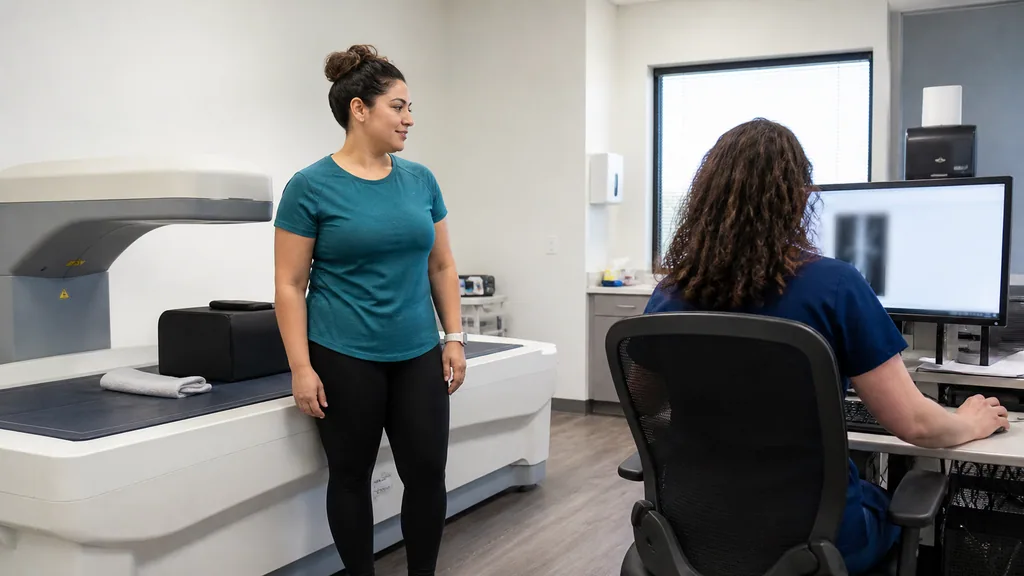
Weight loss normally comes from more than one place. It can include body fat, water and lean mass. Lean mass includes skeletal muscle, but it also includes organs, connective tissue and body water.
Think of body weight as a packed suitcase. The scale tells you how much the whole suitcase weighs. A body-composition scan tries to show what is packed inside it.
This is why “lean mass” and “muscle” should not be treated as perfect synonyms. It is also why one percentage from one study cannot tell every person exactly how much muscle they will lose.
What did the 2026 EMBRAZE trial test?
EMBRAZE was a randomized, double-blind Phase 2 trial involving 102 adults with obesity. Everyone received tirzepatide. Participants were then assigned to receive either apitegromab or placebo as an additional study treatment.
Apitegromab is an investigational monoclonal antibody. It is designed to block the activation of myostatin, a protein that helps limit muscle growth. It is not a peptide, and it is not an approved muscle-preservation medicine.
At week 24, the main body-composition results were:
| Result | Tirzepatide + apitegromab | Tirzepatide + placebo |
|---|---|---|
| Change in lean mass | -1.6 kg | -3.5 kg |
| Difference in lean-mass loss | 1.9 kg less | Reference |
| Relative lean-mass retention | 54.9% improvement | Reference |
| Total weight loss | Similar between groups | Similar between groups |
The key point is simple: the apitegromab group lost about the same total weight, but more of its lean mass was preserved.
What does “54.9% more lean mass preserved” really mean?
It does not mean participants kept 54.9% of every muscle. It does not mean they lost zero lean mass. It means the average lean-mass reduction was 54.9% smaller relative to the placebo group in this trial.
The actual averages make the result easier to understand:
- the apitegromab group lost about 1.6 kg of lean mass;
- the placebo group lost about 3.5 kg of lean mass; and
- the between-group difference was 1.9 kg.
That is a meaningful Phase 2 signal. Larger studies still need to show whether the difference lasts and whether it improves strength, mobility or long-term health—not only a scan result.
Did preserving lean mass slow total weight loss?
No meaningful difference in total weight loss was reported between the groups at week 24. In other words, preserving more lean mass did not appear to erase the scale result in this study.
That matters because body composition is not simply about keeping weight. The commercial opportunity is to improve the quality of weight loss: more fat loss while preserving more useful lean tissue.
The result does not prove that every myostatin-targeting approach will work, or that the same outcome would occur with another GLP-1 medicine. It answers a narrower and more useful question about apitegromab added to tirzepatide under a controlled trial protocol.
What side effects were reported?
Adverse events were reported in 76% of participants receiving apitegromab and 71% receiving placebo. Serious adverse events occurred in 2% of each group.
Those overall rates were similar, but 102 participants and 24 weeks are not enough to identify every uncommon or long-term risk. Safety, durability and real-world use require more evidence.
Why this study matters beyond one antibody
GLP-1 conversations used to focus mainly on the number on the scale. Consumers are now asking better questions:
- How much of the change is fat?
- Is strength being maintained?
- Does protein intake matter?
- Can resistance exercise help?
- Should body composition be measured, not just body weight?
That shift matters to researchers and suppliers too. Future studies will need clearer body-composition endpoints, consistent scanning methods and batch-level documentation for every investigational material.
For a plain-English look at the companion molecule, read is tirzepatide a peptide? or compare semaglutide vs tirzepatide. Our tirzepatide side-effects guide explains the more familiar tolerability questions.
What should research buyers verify?
The trial combined two separate investigational materials. A purchase request cannot safely describe that as simply “a GLP-1 muscle-loss product.” Exact identity matters.
For peptide research materials such as tirzepatide, verify:
- the exact molecule and form;
- batch-specific HPLC purity;
- mass-spectrometry identity;
- current COA and test dates;
- storage and shipping conditions; and
- pack size, lead time and intended research use.
Our peptide quality testing guide shows what each common test can—and cannot—confirm. The peptide COA guide can help teams review a supplier’s batch documentation before ordering.
Body composition is only one part of the picture. Our review of GLP-1 treatment and daily physical activity explains why weight loss should not be treated as proof that step counts or spontaneous movement increased.
What the lean-mass result changes
The direct answer is that apitegromab preserved 1.9 kg more lean mass, a 54.9% relative improvement, when added to tirzepatide for 24 weeks in a 2026 Phase 2 trial. Total weight loss remained similar.
It is an early but important sign that the next generation of obesity research may compete on body composition, not only pounds lost. Apitegromab remains investigational, while laboratory buyers evaluating tirzepatide should continue to focus on exact identity, batch evidence and reliable documentation.
Review current tirzepatide research specifications →
Sources and further reading
- Nature Medicine via PubMed: EMBRAZE Phase 2 results
- ClinicalTrials.gov: EMBRAZE study NCT06445075
- LEAN-PREP body-composition study protocol
This article explains public research reported through August 6, 2026. It is educational and does not recommend an investigational product or a personal treatment plan.
Frequently asked questions
Does GLP-1 weight loss cause muscle loss?
Weight loss usually includes both fat and lean mass. GLP-1 studies have reported lean-mass loss, but the amount varies, and lean mass includes more than muscle. The 2026 apitegromab trial tested whether more lean mass could be preserved during tirzepatide treatment.
What did the apitegromab trial find?
At week 24, people receiving apitegromab with tirzepatide lost 1.9 kg less lean mass than those receiving placebo with tirzepatide. That was a 54.9% relative improvement in lean-mass retention, while total weight loss was similar.
What is apitegromab?
Apitegromab is an investigational monoclonal antibody designed to inhibit the activation of myostatin, a protein involved in limiting muscle growth. It is not a peptide and is not approved for preserving muscle during weight loss.
Was apitegromab studied with tirzepatide?
Yes. All 102 participants in the Phase 2 EMBRAZE trial received tirzepatide. They were randomly assigned to receive either apitegromab or placebo as the additional study treatment.
Is apitegromab approved for muscle preservation?
No. Apitegromab remains investigational. The EMBRAZE findings are Phase 2 results and need confirmation in larger and longer studies.
How can people discuss lean-mass loss during GLP-1 treatment?
Ask a qualified clinician about protein intake, resistance exercise, strength changes and whether body-composition monitoring is useful for you. The apitegromab trial did not replace these basics or establish a do-it-yourself treatment plan.
For research use only. Not for human consumption. This article is educational and makes no medical, therapeutic, or dosing claims.
← More gLP-1 & weight management guides · Have a question? Start an inquiry →