Concentration
vial mg ÷ diluent mL = mg/mL Multiply mg/mL by 1,000 to express the same concentration in mcg/mL.

Calculate reconstitution concentration, liquid volume and U-100 syringe units—or convert a user-supplied weight-based reference value. Free, private and calculated entirely in your browser.
A peptide calculator converts vial mass, liquid volume and a user-supplied target amount into concentration, milliliters and U-100 syringe markings. This peptide reconstitution calculator also shows the formula behind every result, so mg-to-mcg, mcg-to-units and BAC water calculations can be checked independently.
For research and educational reference only. Not medical or veterinary advice. Not for human consumption. This page performs arithmetic from values you enter; it does not recommend a peptide, dose, schedule or administration method. Verify all inputs and calculations independently. Read the full disclaimer.
Enter the labeled vial mass, total diluent volume and your own target amount. The calculator converts the values into concentration, draw volume and markings on a U-100 scale.
Convert a reference value you already have from mcg/kg or mg/kg into a total mass. This is a neutral equation—not a dosing recommendation.
0.35 mg total at 70 kg
Reference output only. This result does not establish safety, suitability or an appropriate amount for any person, animal or experiment.
Every result comes from standard mass and volume conversions. No values are hidden or inferred.
vial mg ÷ diluent mL = mg/mL Multiply mg/mL by 1,000 to express the same concentration in mcg/mL.
target mcg ÷ concentration mcg/mL = mL The target and concentration must use matching mass units before division.
volume mL × 100 = marked units This relationship applies only to a verified U-100 scale, where 100 marked units correspond to 1 mL.
weight kg × supplied value per kg = total mass Pounds are converted to kilograms using 1 lb = 0.45359237 kg.
For related laboratory guidance, see how to store lyophilized peptides, learn how to read a peptide COA, or review our third-party testing and COA process.
The calculator accepts a liquid volume; it does not decide which reconstitution solvent is appropriate. That choice must come from the material documentation and applicable laboratory protocol.
Sterile water containing a preservative. It is commonly abbreviated as BAC water in peptide reconstitution searches and laboratory supply catalogs.
View Bacteriostatic Water information →Preservative-free sterile water. Its handling and suitability differ from bacteriostatic water, so the two should not be treated as automatically interchangeable.
View Sterile Water information →Browse frequently requested research peptides, GHK-Cu (Copper Tripeptide-1), and laboratory solvents. Product selection does not change or validate a calculator input.
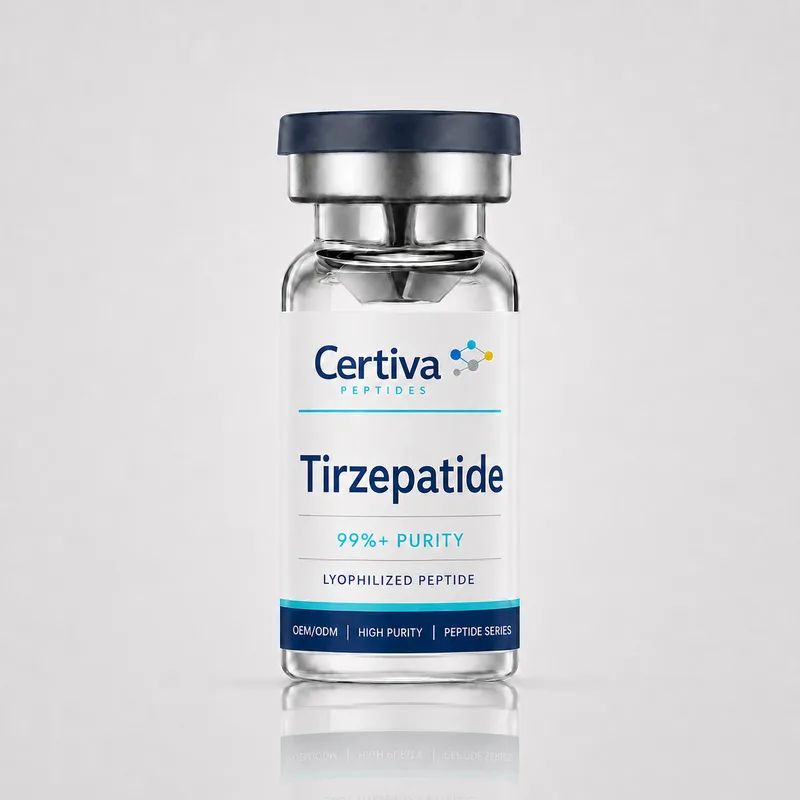
5 mg · 10 mg · 15 mg · more
View product information →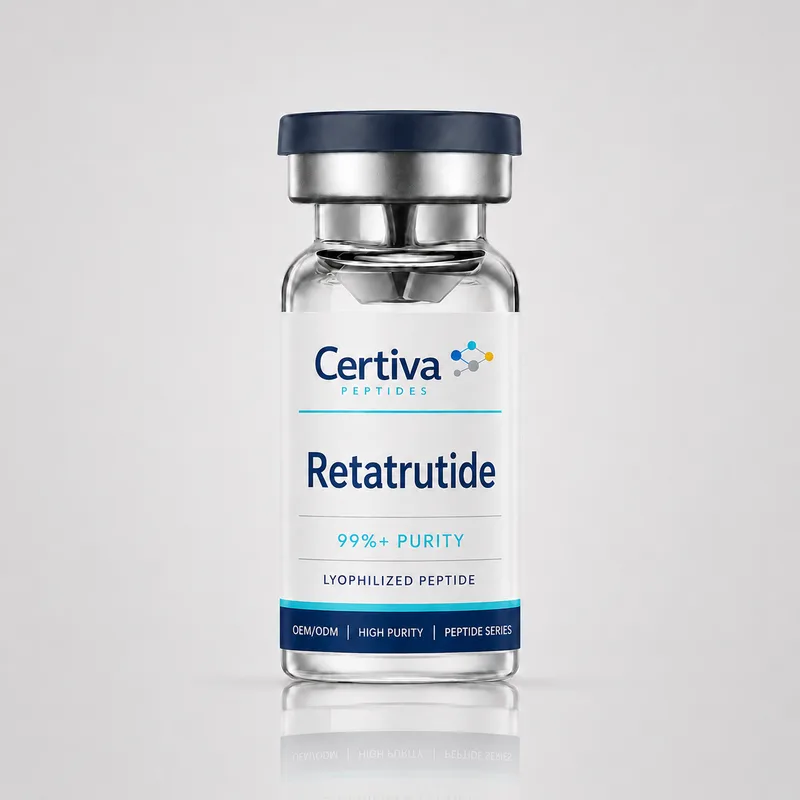
5 mg · 10 mg · 15 mg · more
View product information →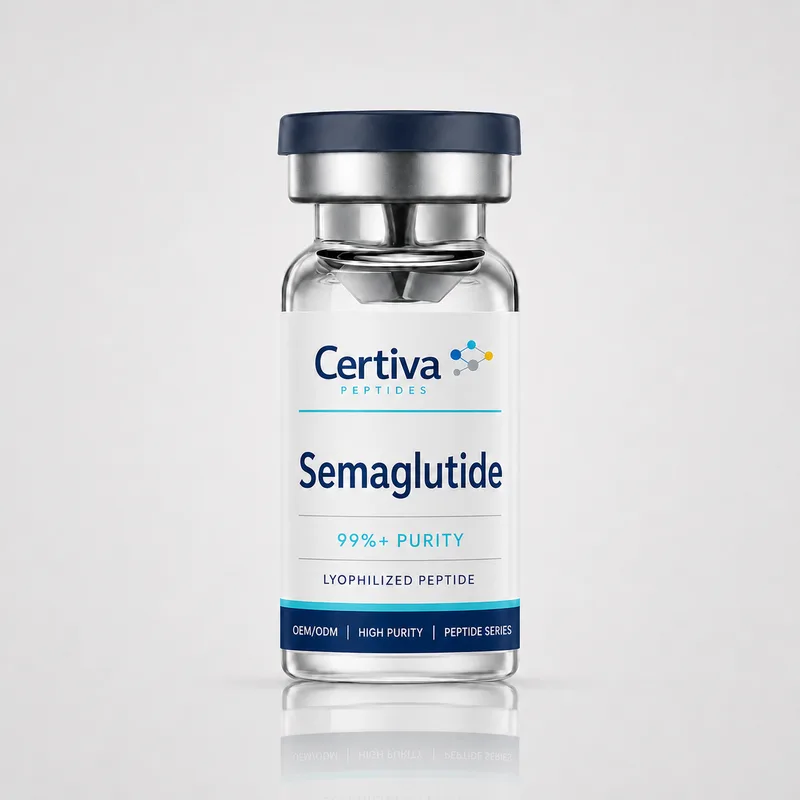
5 mg · 10 mg · 15 mg · more
View product information →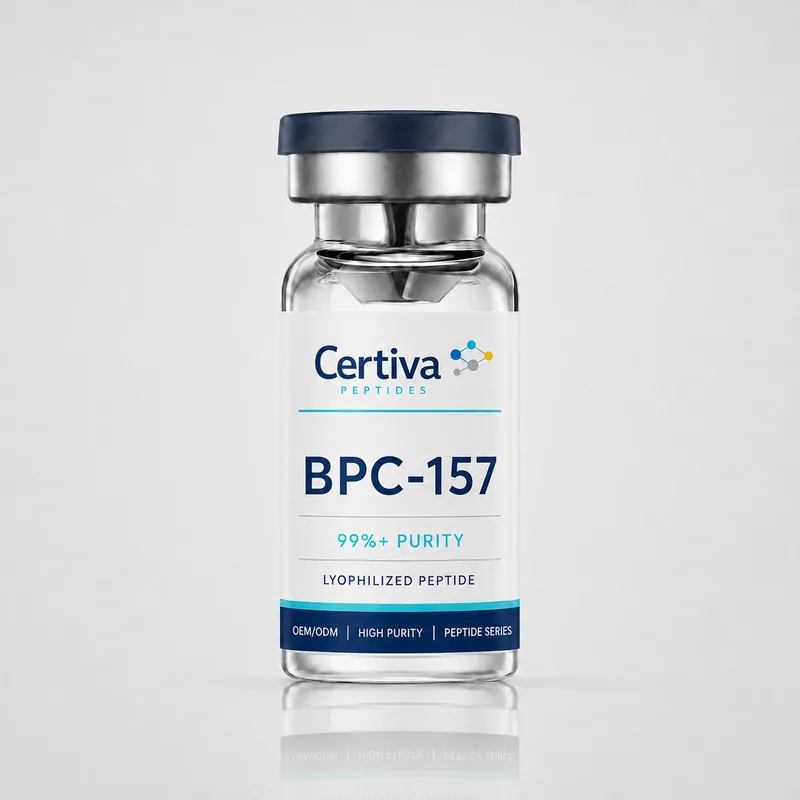
5 mg · 10 mg · 20 mg
View product information →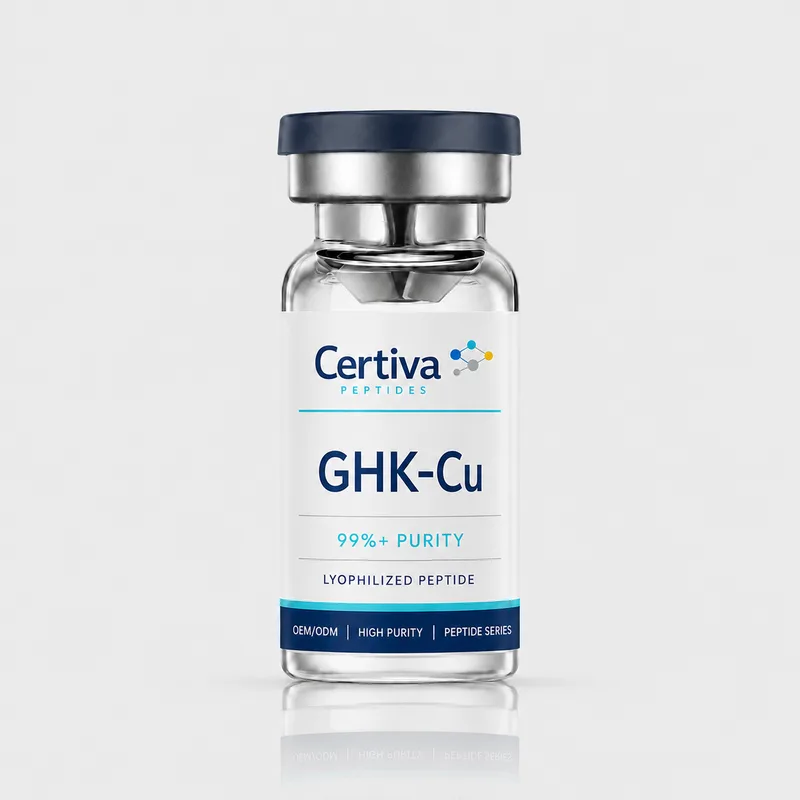
50 mg · 100 mg
View product information →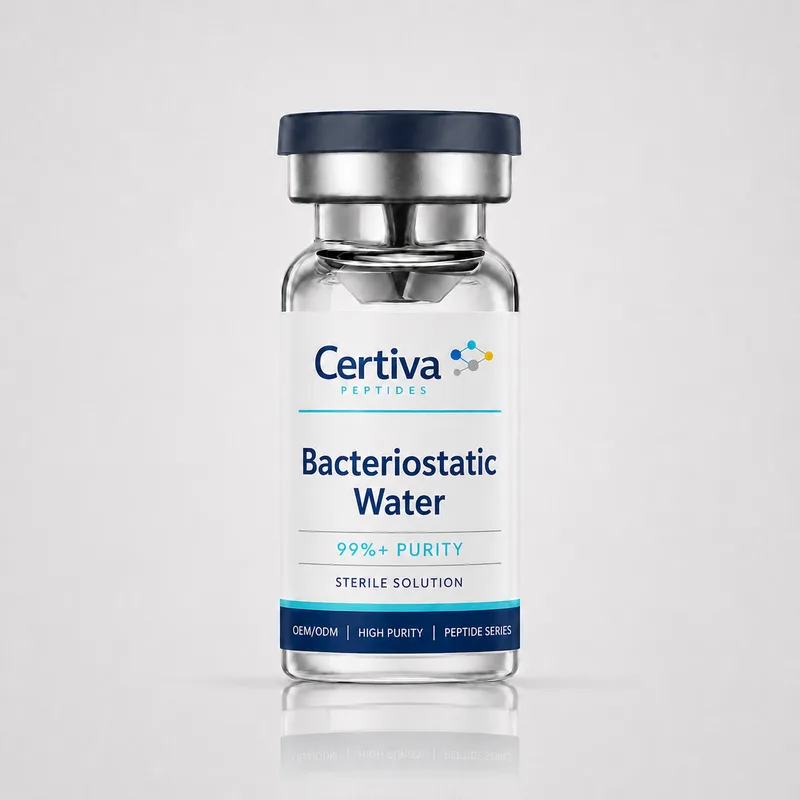
3 mL · 10 mL
View product information →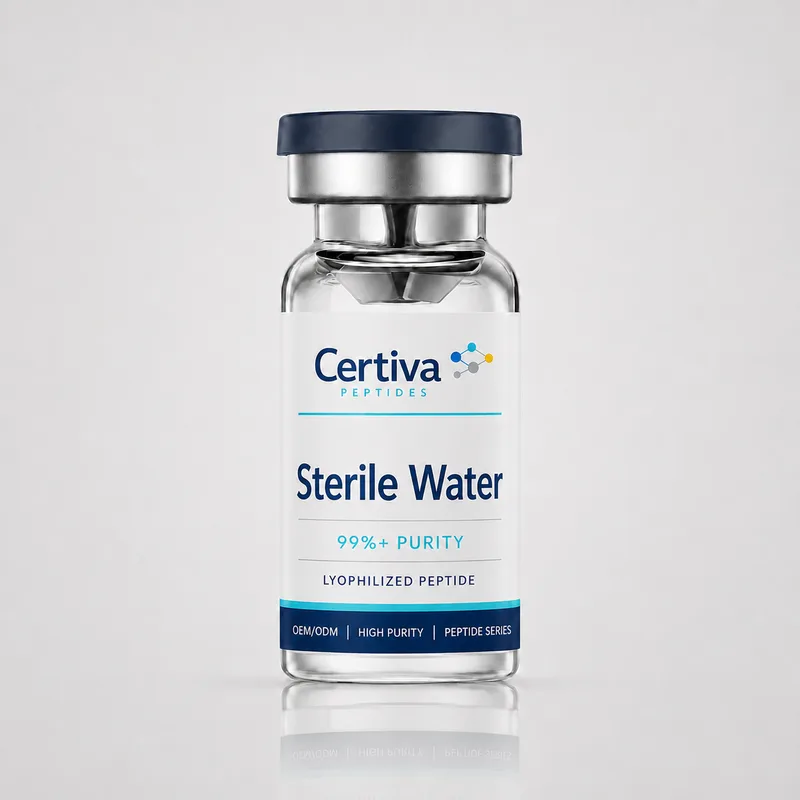
10 mL
View product information →For research or professional formulation use only, as labeled on each product page. GHK-Cu is presented as a cosmetic raw material, not as an injectable product. No item shown here is a dosing recommendation.
It divides the vial mass by the diluent volume to find concentration, then divides the target amount by that concentration to find the required liquid volume. For a U-100 syringe, the liquid volume in milliliters is multiplied by 100 to show syringe units.
One milligram (mg) equals 1,000 micrograms (mcg). This calculator converts both units to micrograms internally before performing the calculation.
No. On a U-100 scale, 100 marked units correspond to 1 mL, so 1 marked unit corresponds to 0.01 mL. Always verify the syringe type and markings independently.
No. It performs arithmetic using values supplied by the visitor. It does not recommend a compound, amount, frequency, protocol, or method of administration and is not medical or veterinary advice.
It multiplies a body weight in kilograms by a user-supplied mcg/kg or mg/kg reference value. The output is a mathematical conversion only, not a safe or appropriate amount for any person, animal, or experiment.
Divide the vial mass by the target concentration using matching units. For example, vial mass in mg divided by a target concentration in mg/mL returns the required total volume in mL. This is a mathematical relationship, not a recommendation for a particular solvent or volume.
Bacteriostatic water contains a preservative, while sterile water is preservative-free. They are not automatically interchangeable. Follow the material documentation and an appropriate laboratory protocol rather than selecting a solvent from this calculator.
Yes, if the concentration is already known. Divide the U-100 marked units by 100 to obtain mL, then multiply that volume by the concentration in mcg/mL or mg/mL. A unit value alone does not identify a peptide mass without concentration.